



-
-
-
Total payment:
-




How Strong Is LVL? Load-Bearing Capacity, Span Performance & Structural Uses
Posted by Thanh Uyên at 24/05/2023
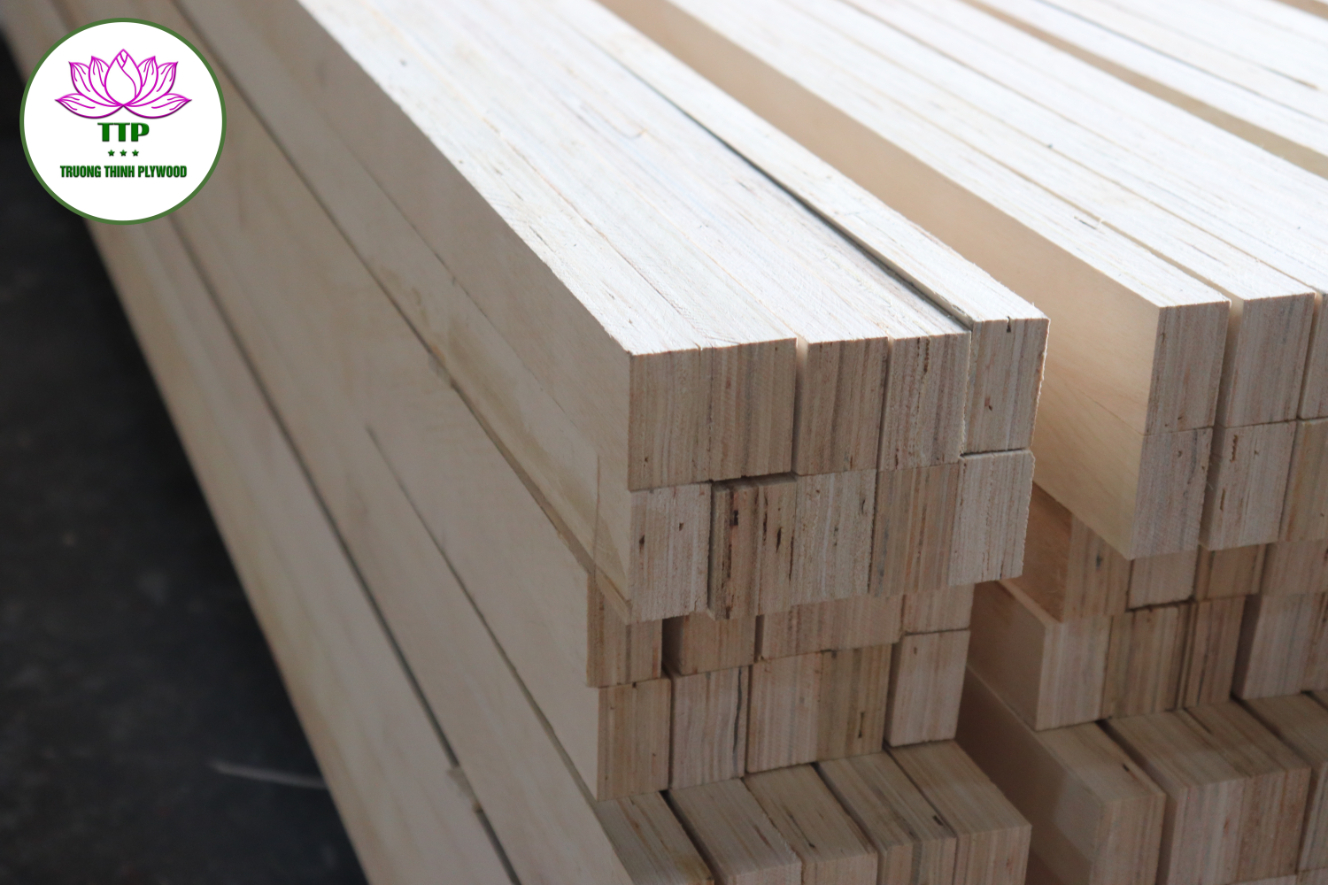
A beam or header is only as reliable as the material carrying the load. In many structural failures, the root cause is not obvious damage but insufficient load-bearing capacity or long-term deflection. This is where engineered wood products like LVL (Laminated Veneer Lumber) outperform traditional solid lumber.
LVL is designed to deliver predictable strength, long spans, and consistent performance in structural applications where accuracy matters.
This article explains how LVL achieves its load-bearing strength, how it compares to other framing materials, and where it performs best in real construction projects.
Why Load-Bearing Strength Matters in Structural Framing
Structural members transfer loads from floors, roofs, and walls to the foundation. When framing materials lack sufficient strength or stiffness, buildings may experience sagging floors, cracked finishes, and alignment issues over time. These problems often appear gradually and are expensive to correct once the structure is complete.
LVL addresses these risks by providing engineered strength that remains consistent across its full length and depth, reducing uncertainty during design and construction.
What Gives LVL Its High Load-Bearing Capacity
LVL is manufactured by bonding thin wood veneers under heat and pressure, with all veneers aligned in the same direction. This process redistributes natural wood defects across multiple layers, resulting in uniform structural properties.
Because of this structure, LVL provides higher bending strength and stiffness, along with improved resistance to long-term deflection. Its consistency makes it easier to specify in structural designs where load calculations must be precise. For readers who want a deeper understanding of the material itself, this overview explains what LVL is and how it differs from conventional wood products.
Typical Structural Performance of LVL
The load-bearing performance of LVL depends on beam size, grade, span length, and design loads. However, in general construction practice, LVL members can span significantly farther than solid lumber while maintaining acceptable deflection limits.
Compared to traditional sawn timber, LVL provides more predictable strength values, allowing engineers to design with tighter tolerances and fewer safety compromises. This predictability is one of the main reasons LVL is widely specified in modern structural designs.
LVL Compared with Solid Wood and Glulam
LVL, solid lumber, and glulam all serve structural roles, but their performance characteristics differ. Solid wood varies widely in strength due to natural defects and moisture movement, making it less reliable for long spans. Glulam offers excellent strength and stability but is often used for large or exposed structural elements.
LVL occupies a practical middle ground. It delivers high load-bearing capacity, excellent dimensional stability, and efficient use of material, making it well suited for concealed beams, headers, and framing components. Beyond structural framing, LVL is also increasingly used in furniture and interior applications where stability is critical. This trend is particularly visible in export manufacturing, where Vietnamese LVL has proven to be a reliable replacement for solid wood in furniture frames.
While LVL and glulam both offer strong structural performance, their optimal use cases differ depending on span length, exposure conditions, and project budgets. A more detailed breakdown is available in this comparison of LVL vs glulam beams in terms of strength, cost, and applications.
Common Applications of LVL in Construction
LVL is commonly used for floor beams, headers over doors and windows, roof ridge beams, rim boards, and long-span framing in open-plan designs. Its strength allows designers to reduce the number of columns and supports, creating larger, uninterrupted interior spaces.
In both residential and light commercial buildings, LVL is frequently selected where traditional lumber cannot safely meet load or span requirements.
Installation Considerations That Affect Load Performance
Even though LVL is engineered for strength, proper installation is essential to achieve its full load-bearing potential. Adequate bearing at supports is critical, as insufficient bearing length can compromise structural performance. Fastening must follow manufacturer specifications to ensure the member acts as a single structural unit.
LVL should also be protected from prolonged moisture exposure during storage and installation. Unlike pressure-treated lumber, LVL is intended for dry or controlled interior environments unless otherwise specified.
Common Mistakes to Avoid
One of the most common errors is undersizing LVL members based on assumptions rather than engineering calculations. Another frequent mistake is modifying LVL beams by cutting or drilling without approval, which can significantly reduce strength. Ignoring deflection limits is also problematic, as excessive deflection can damage finishes even if the beam does not structurally fail.
Final Thoughts: Why LVL Is Trusted for Structural Loads
LVL has become a preferred structural material because it combines high load-bearing strength with consistent, predictable performance. When properly designed and installed, LVL supports long spans, heavy loads, and modern architectural layouts more reliably than traditional lumber.
For projects that demand structural accuracy and long-term stability, LVL is often the engineering-preferred solution.
Frequently Asked Questions
How strong is LVL compared to solid wood?
LVL is significantly stronger and more consistent than solid sawn lumber, allowing it to support higher loads and longer spans with reduced variability.
Can LVL replace steel beams in residential construction?
In many residential applications, LVL can replace smaller steel beams. However, very high loads or long spans may still require steel, depending on structural requirements.
Is LVL suitable for load-bearing walls?
Yes. LVL is commonly used for headers and beams within load-bearing wall systems.
Does LVL sag over time?
When properly sized and installed, LVL exhibits minimal long-term deflection compared to solid lumber.
🛠 Need help selecting the right LVL size or specification for your project?
Contact TT Plywood for expert guidance and LVL solutions tailored to your structural requirements.
📧 Email: info@ttplywood.com
📞 Hotline / WhatsApp / Line / Kakao: +84 32 694 2288
-------------------------------------------
 Hotline/WhatsApp/Line/Kakao: +84 326 942 288
 Email: info@ttplywood.com
 Website: https://ttplywood.com/
 Alibaba: https://ttplywood.trustpass.alibaba.com/
Tags :
box
construction plywood
EXPORT PLYWOOD
frames
laminated veneer lumber
LVL
packing plywood
pallet
plywood
PLYWOODVIETNAM
TTPLYWOOD


