


-
-
-
Total payment:
-



Which Plywood Is Better: Vietnam or China?
Posted by Hoàng Anh Tuấn at 26/05/2026

If you’ve ever searched for plywood suppliers, chances are you’ve come across two of the biggest options in the market: Vietnamese plywood and Chinese plywood. At first, they can look quite similar. Both are widely used in furniture, interior design, and construction projects. Both also come in a wide range of prices and finishes.
But once you start comparing them more carefully, the differences become much more obvious
s.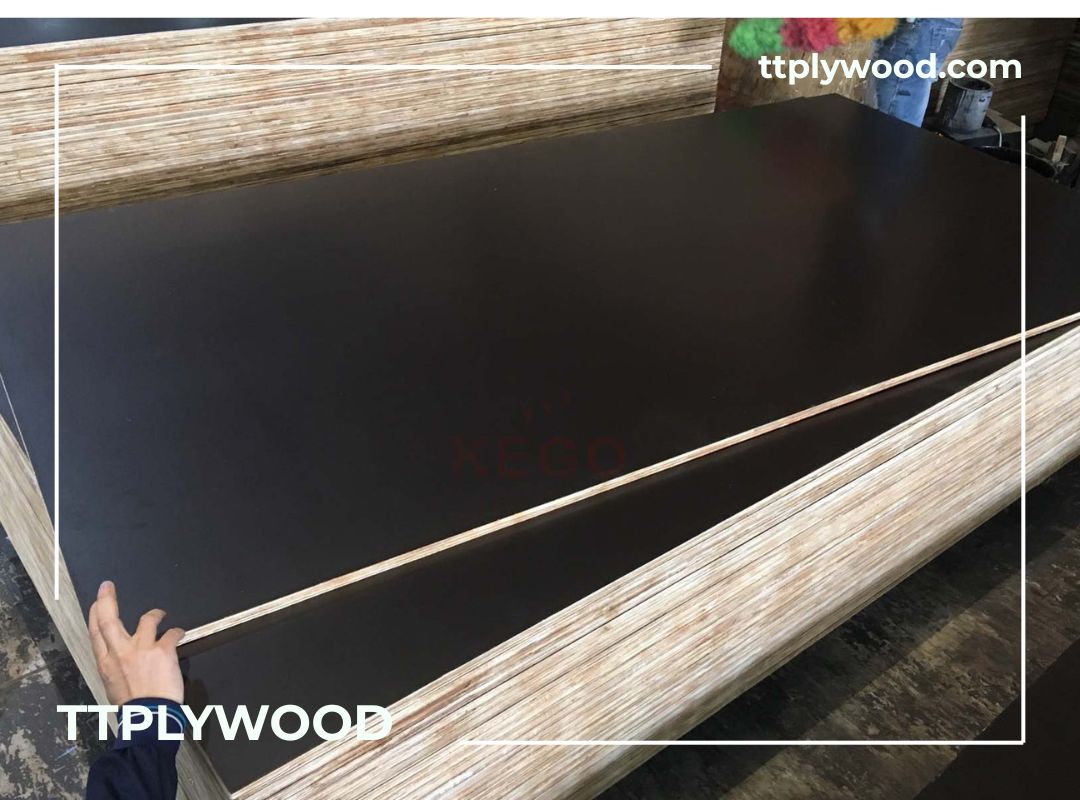
Some plywood boards last for years without major issues, while others begin to warp, separate, or lose strength after only a short period of use. That difference usually comes down to the material inside the board, the production process, and the quality standards behind it.
So before choosing based on price alone, it’s worth understanding what really separates Vietnamese plywood from Chinese plywood.
The Biggest Difference Starts With the Raw material
One of the easiest ways to understand plywood quality is by looking at the type of wood used to make it.
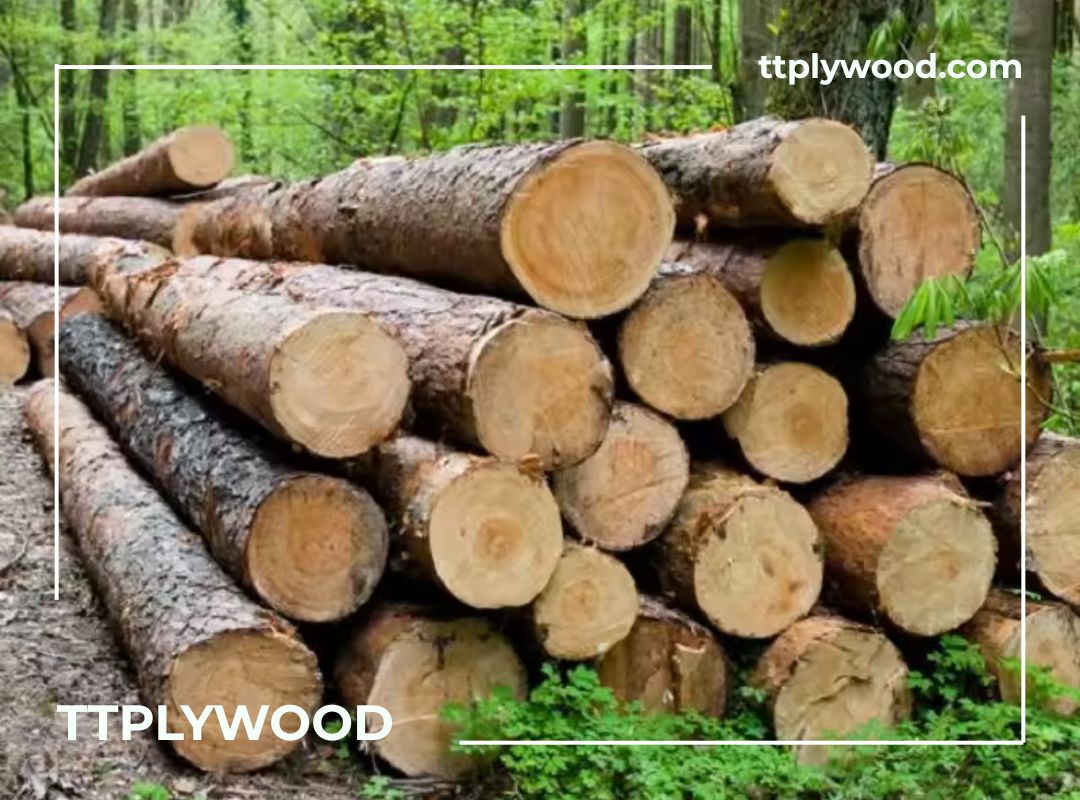
Vietnamese plywood is commonly produced from acacia, eucalyptus, or rubberwood. These are plantation-grown hardwood species with relatively high density, which means the boards tend to feel stronger and more stable. They also hold screws better and perform more reliably in humid environments.
That’s why Vietnamese plywood is often used for:
- Kitchen cabinets
- Wardrobes
- Office furniture
- Flooring substrates
- Construction formwork
Chinese plywood is different. A large portion of it uses poplar veneer because poplar grows quickly and is inexpensive to process. This helps factories reduce manufacturing costs and produce large quantities at lower prices.
The downside is that poplar is softer and lighter than hardwood species. As a result, some lower-grade Chinese plywood may not handle moisture, pressure, or heavy loads as well over time.
This doesn’t mean all Chinese plywood is low quality. There are premium manufacturers in China producing very strong boards for export markets. The issue is consistency — quality can vary significantly depending on the supplier.
Why Manufacturing Standards Matter More Than Most Buyers Think
A plywood board may look smooth on the outside, but the real quality is hidden inside the layers.
The drying process, glue quality, pressing temperature, and bonding technology all affect how durable the final board will be.
Vietnamese plywood manufacturers, especially export-focused factories, usually follow stricter production standards because they supply demanding markets like Japan, Korea, Europe, and the US. Many factories now produce plywood under certifications such as FSC, CARB P2, E0, or E1 standards.
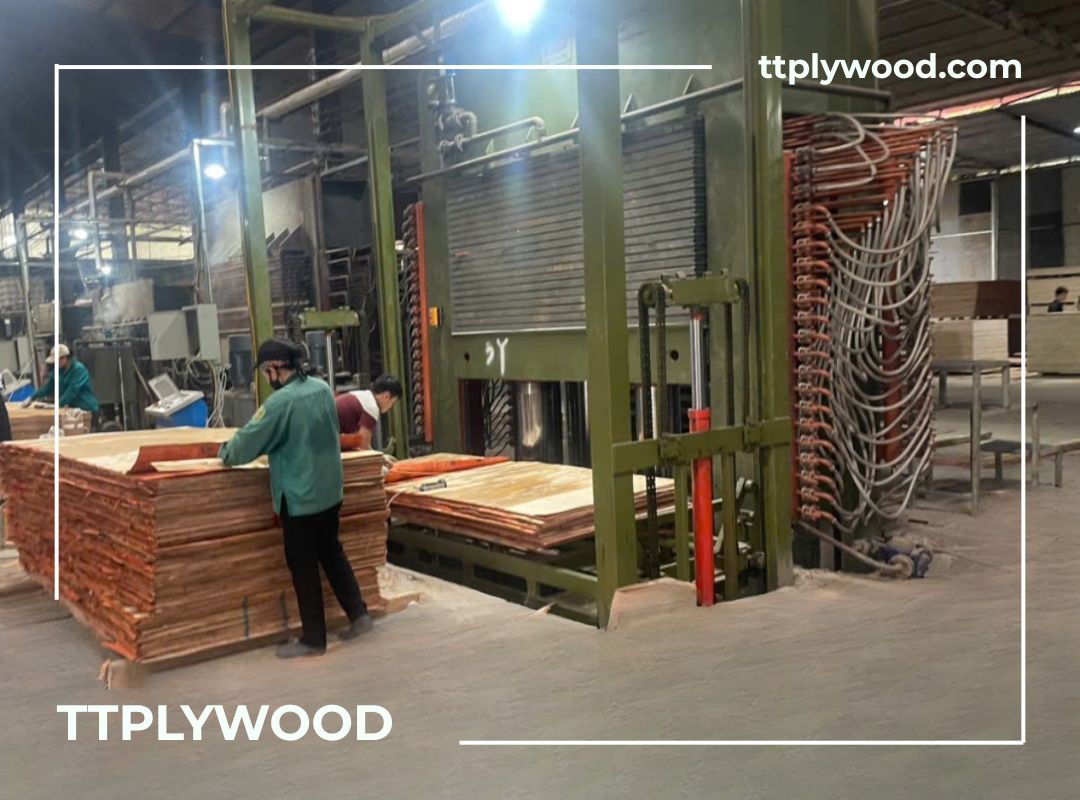
That’s important because these certifications are not just “marketing labels.” They relate directly to things like:
- Formaldehyde emissions
- Glue safety
- Moisture resistance
- Bonding performance
- Environmental responsibility
In China, the industry is much larger and more diverse. Some factories operate with excellent technology and strict quality control, while others focus mainly on low-cost production.
This is why some Chinese plywood products perform very well, while others may develop problems such as:
- Delamination
- Surface bubbling
- Warping
- Weak screw holding
- Core gaps inside the board
For buyers, the challenge is knowing which supplier is trustworthy.
Which One Lasts Longer?
If durability is the priority, Vietnamese plywood generally has the advantage.
Because hardwood veneers are denser and more stable, Vietnamese plywood tends to maintain its shape better over time. It also performs more consistently in hot or humid conditions, which is especially important in Southeast Asian climates.
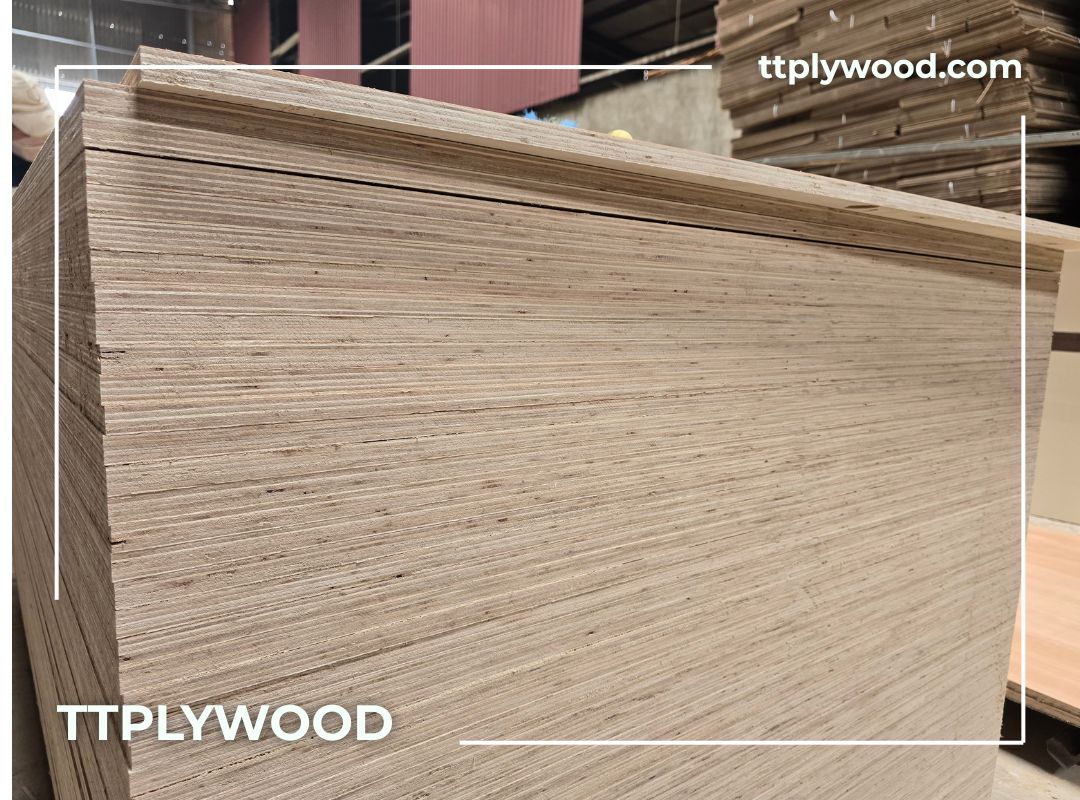
For interior furniture that stays in use for years, this difference becomes noticeable.
Chinese plywood can still work well for certain applications, especially temporary projects or budget-sensitive construction. But lower-cost products may deteriorate faster if exposed to moisture or heavy daily use.
- If the project is short-term and cost matters most, Chinese plywood can be a practical choice.
- If the project requires long-term reliability, Vietnamese plywood is usually the safer investment.
Price Comparison between Vietnam and china plywood
One reason Chinese plywood dominates many markets is simple: price.
China’s manufacturing scale is enormous. Large factories, fast-growing popular plantations, and mass production systems allow suppliers to keep costs very low.
Vietnamese plywood is often slightly more expensive because hardwood materials cost more and quality control tends to be stricter.
At first glance, cheaper plywood may seem like the smarter option. But in reality, replacing damaged boards, repairing warped furniture, or dealing with moisture issues can become more expensive in the long run.
That’s why many furniture manufacturers and contractors are willing to pay more for stable quality.
Sustainability Is Becoming a Bigger Factor
Today, buyers are paying more attention to where wood comes from and how it is produced.
Vietnam has invested heavily in plantation forestry and sustainable timber sourcing over the last decade. Many plywood manufacturers now use FSC-certified wood and focus on export compliance.
China also has many certified suppliers, but environmental standards are not always consistent across the market, especially in lower-price segments.

For companies exporting furniture internationally, sustainability certifications are becoming increasingly important — not only for compliance, but also for brand reputation.
FAQ
Is Vietnamese plywood better than Chinese plywood?
Not always, but Vietnamese plywood is generally considered more reliable in terms of durability, moisture resistance, and consistent quality. This is mainly because many Vietnamese manufacturers use denser hardwood species like acacia or eucalyptus and follow stricter export standards.
Why is Chinese plywood usually cheaper?
Chinese plywood is often more affordable because manufacturers commonly use poplar veneer, which grows quickly and costs less to process. China also benefits from massive production scale and lower manufacturing costs.
Which plywood is better for furniture?
Vietnamese plywood is usually preferred for long-term furniture applications such as cabinets, wardrobes, desks, and office furniture because it tends to be stronger and more stable over time.
Where to Buy High-Quality Vietnam Plywood?
Today, Vietnam plywood is widely available from many suppliers across the market. However, to ensure consistent quality, reliable material sourcing, and professional after-sales support, buyers should work with manufacturers that operate their own factories and meet international production standards such as FSC, CARB P2, or E0 certification.
Are You Looking for Reliable Vietnam Plywood Suppliers?
TT Plywood is proud to provide premium-quality plywood products manufactured to international standards, including FSC-certified materials and low-emission E0 / CARB P2 glue systems. With a modern production facility, advanced manufacturing technology, and strict quality control procedures, TT Plywood delivers durable and stable plywood solutions for furniture, interior, and construction applications.
If you are searching for dependable Vietnam plywood products, our team is ready to provide detailed consultation and help you choose the right solution for your project.
Final Thought
There is no universal answer when comparing Vietnamese plywood and Chinese plywood because every project has different priorities.
- If affordability is the main concern, Chinese plywood can offer strong value, especially for short-term applications.
- But if you care more about durability, consistency, moisture resistance, and long-term performance, Vietnamese plywood is often the better option.
- In the end, the smartest decision is not choosing the cheapest board — it’s choosing the board that fits the purpose of your project.
References
N/A. (2020). Japanese Agricultural Standards (JAS) : MAFF. Www.maff.go.jp. https://www.maff.go.jp/e/policies/standard/jas/
N/A. (2026). Forestry. Www.fao.org. https://www.fao.org/forestry/en/
N/A. (2026, February 12). Formaldehyde Emission Standards for Composite Wood Products | US EPA. US EPA. https://www.epa.gov/formaldehyde/formaldehyde-emission-standards-composite-wood-products?


