



-
-
-
Total payment:
-




ACX vs CDX Plywood: What’s the Difference and Which One Do You Need?
Posted by Thanh Uyên at 02/12/2025

In the American construction industry, few materials are as common and as misunderstood, as ACX plywood and CDX plywood. Both grades are widely used in residential and commercial building, yet many builders and procurement teams continue to confuse their functions and strengths. The two products may look similar at first glance, but they are designed for very different purposes.
Understanding the differences between these plywood grades is essential for ensuring structural integrity, cost efficiency, and compliance with U.S. building standards. Whether you are a contractor choosing materials for roofing or sheathing, a construction company sourcing exterior plywood, or an international exporter supplying the U.S. market, clarity on ACX vs CDX helps prevent costly mistakes. This article offers a detailed, reporter-style explanation of the grading system, performance characteristics, and practical use cases for each product.
1. How the U.S. Plywood Grading System Works
Before deciding between ACX and CDX, it is important to understand the meaning of the letters printed on plywood panels. Each letter represents the surface quality of a veneer layer. The grading scale from A to D indicates appearance, treatment, and the presence of defects.
- A-grade surfaces are smooth, sanded, and free of significant imperfections.
- C-grade surfaces contain visible knots and patches but remain structurally strong.
- D-grade faces include larger defects and more frequent repairs.
The final letter, X, refers not to wood quality but to exterior-grade adhesive. This glue system allows plywood to withstand moisture variations during construction. The “X” does not mean the plywood is waterproof, but it signifies that it can resist rain, humidity, and short-term outdoor exposure.
Therefore:
- ACX plywood combines an A-grade surface, a C-grade back, and exterior bonding.
- CDX plywood uses C-grade and D-grade faces with the same exterior-type glue.
Both plywood grades are structurally sound, but their intended applications differ significantly.
2. What Is ACX Plywood?
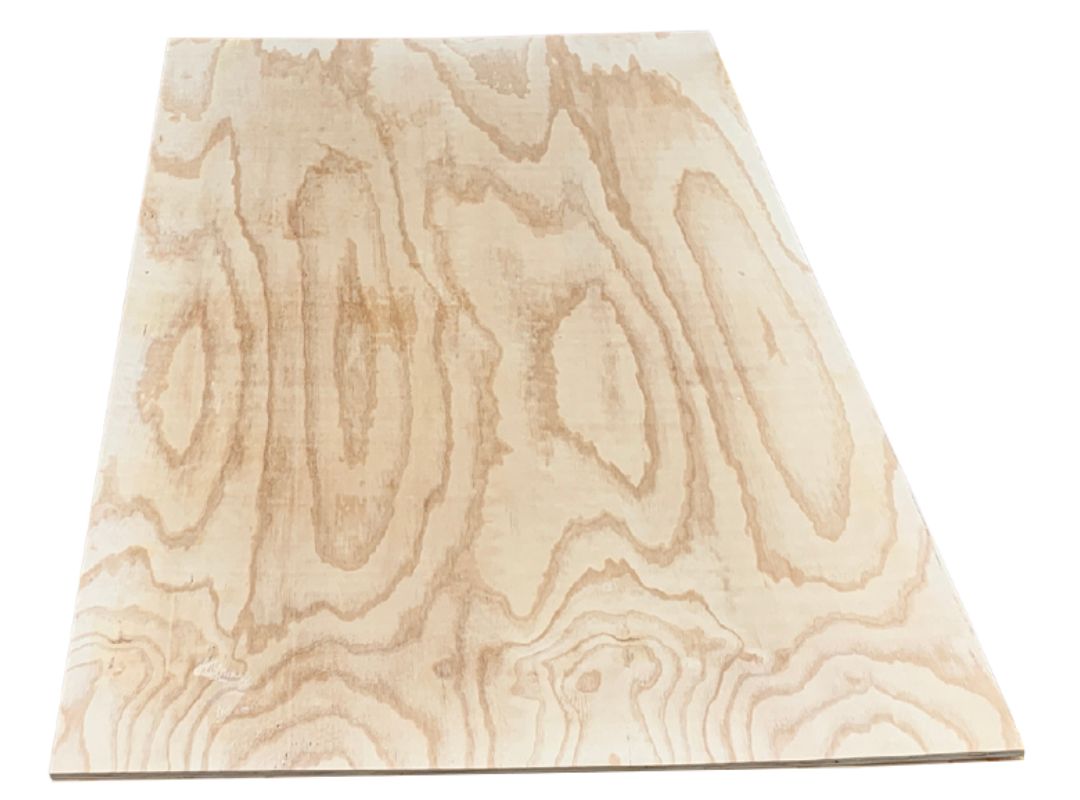
ACX plywood is generally categorized as a premium exterior plywood. The front surface is smooth enough for painting, staining, or other finishing work. The back side, graded as C, is rougher but still stable. ACX panels are manufactured with better-quality veneers, more consistent thickness, and fewer voids, contributing to improved performance in outdoor environments.
Builders frequently choose ACX for exterior trim, cabinet backs, outdoor furniture frames, soffits, fascia boards, and architectural structures where both appearance and durability matter. Because the panel has a refined face and strong moisture resistance, it can be left visible or semiexposed without compromising quality.
Although ACX plywood uses weather-resistant adhesives, it is not equivalent to marine plywood. However, it does offer adequate durability for moderate exterior applications, provided it is sealed, painted, or stained appropriately.
3. What Is CDX Plywood?
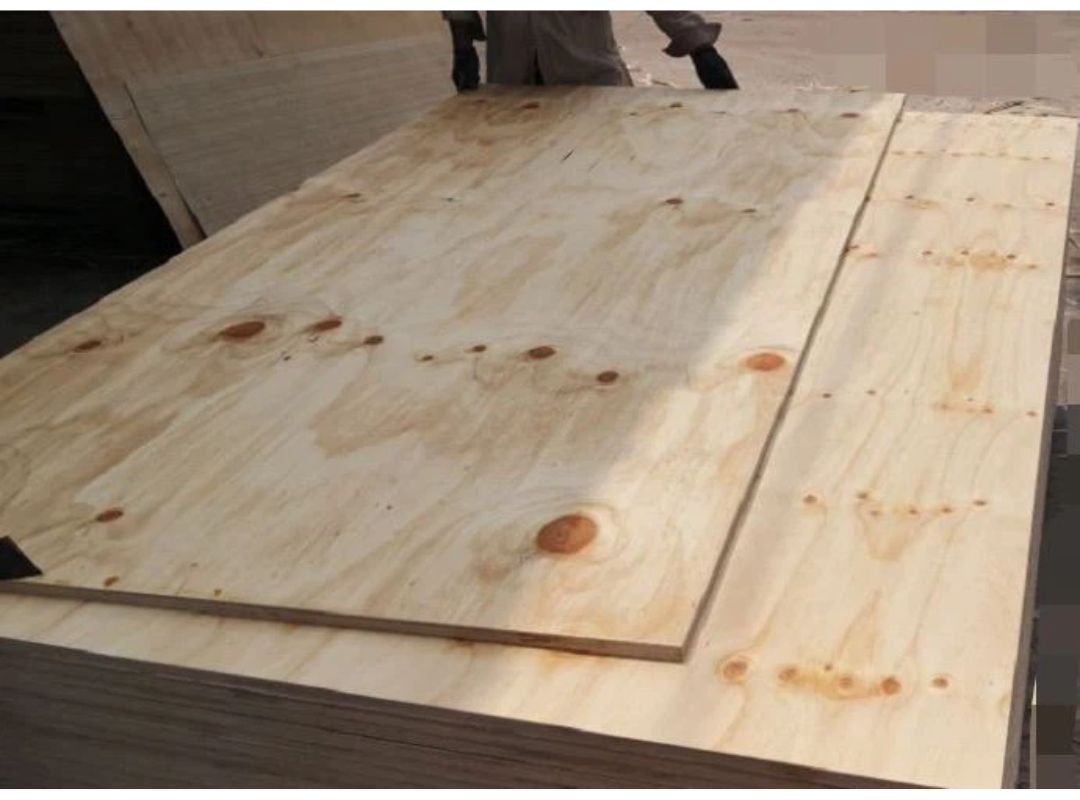
CDX plywood is one of the most widely used structural plywood types in North America. The C-grade front and D-grade back make it less visually appealing, but its mechanical performance is suitable for demanding structural tasks. CDX is engineered for sheathing and subflooring, where strength and stability matter more than the quality of the face veneer.
Common uses include roof decking, wall sheathing, temporary construction barriers, underlayment beneath shingles, and structural reinforcement. CDX can handle rain and moisture during construction, but it should not be used for long-term, fully exposed outdoor applications. The lower-grade veneers absorb moisture more easily and may warp or delaminate over time if left uncovered.
In building projects, CDX plywood is typically buried under layers of roofing felt, shingles, siding, membranes, or flooring. Its structural value is essential, but its appearance is irrelevant once the building is finished.
4. ACX vs CDX: Quick Comparison
To help highlight the core distinction between the two plywood types, the following summary provides a concise comparison:
| Category | ACX Plywood | CDX Plywood |
|---|---|---|
| Surface Quality | Smooth A-grade face; clean, sanded, suitable for finishing. | Rough C/D faces; visible knots, patches; not for exposed surfaces. |
| Primary Purpose | Exterior applications where the surface remains visible or semi-visible. | Structural sheathing (roof, wall, subfloor) that will be fully covered. |
| Moisture Behavior | More stable outdoors when properly sealed/painted. | Can tolerate short-term moisture only; not for long-term exposure. |
| Core/Veneer Quality | More uniform veneers, fewer internal voids. | Veneers may contain voids; higher moisture absorption. |
| Best Use Cases | Soffits, fascia, exterior panels, outdoor cabinets. | Roof decking, wall sheathing, subflooring. |
This breakdown reflects the fundamental difference: ACX is chosen for appearance and moderate exterior durability, while CDX is chosen for structural load-bearing and cost-effectiveness.
5. Moisture Resistance and Weather Performance
Although both ACX and CDX use the same type of exterior glue system, their behavior in outdoor conditions differs as a result of veneer quality and thickness consistency.
ACX Moisture Performance
ACX plywood has higher-quality veneers with better bonding and fewer core voids. These features allow the panel to resist swelling, warping, and surface cracks more effectively than CDX. ACX plywood performs reliably in outdoor environments as long as it is properly sealed. It is often used for soffits, pergola coverings, outdoor signage frames, and similar applications requiring weather tolerance.
CDX Moisture Performance
CDX plywood is designed to resist moisture temporarily during construction. Builders use it confidently for roof decking and wall sheathing because it can withstand rain before exterior layers are applied. However, if left exposed for extended periods, CDX may begin to absorb water rapidly, causing surface defects and dimensional changes.
The structure of CDX panels makes them adequate for short-term exposure but unsuitable for projects requiring long-term weather contact.
6. Structural Strength and Load-Bearing
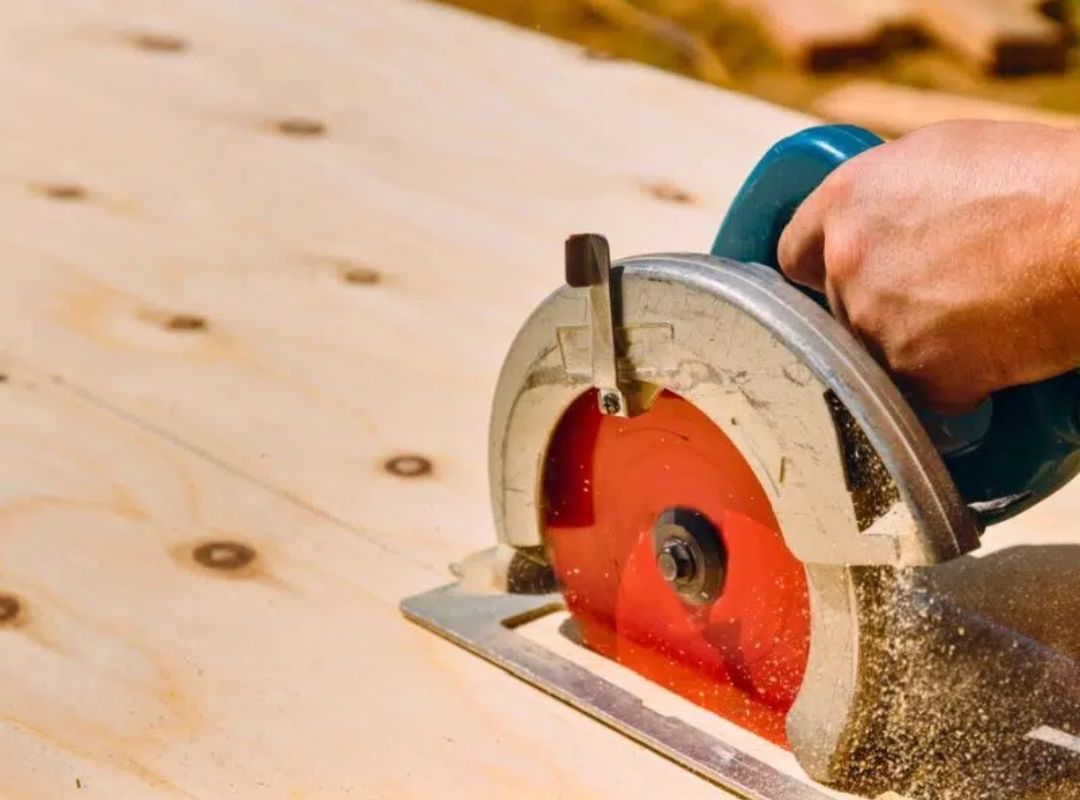
Both ACX and CDX plywood deliver strong mechanical performance. However, they excel in different areas.
ACX Structural Characteristics
The smoother, higher-grade veneers used in ACX provide better stiffness and reduced surface variation. ACX is popular in cabinetry, decorative exterior structures, and certain architectural elements where both stability and appearance are required. In applications where plywood may be visible and load-bearing, ACX is often the preferred choice.
CDX Structural Characteristics
CDX plywood is primarily used for load-bearing tasks. It offers strong nail retention, resistance to racking forces, and consistent performance under roof and wall loads. Construction professionals choose CDX for subfloor systems because it balances strength with affordability. Once installed under flooring, CDX provides a reliable structural base.
7. Cost Differences and Purchasing Considerations
ACX plywood generally costs more than CDX due to its higher-quality face veneer and better finishing properties. The additional cost is justified for applications where the plywood will remain visible or will directly influence the aesthetic value of a building.
CDX plywood is more economical and widely used on large-scale construction sites. When entire houses, barns, or commercial buildings need sheathing material, CDX offers excellent value.
Understanding the trade-off between cost and function ensures proper material selection.
8. Which One Should You Use? Practical Scenarios
Choosing between ACX and CDX depends on where the panel will be installed and how much weather exposure it will face.
When ACX Is the Better Choice
ACX plywood is best suited for projects where a clean appearance matters. Builders often use it for painted exterior surfaces, outdoor cabinetry, entryway panels, garage interiors, and decorative outdoor work. If you need a smooth, paint-ready surface that can handle moisture, ACX is the correct option.
When CDX Is the Better Choice
CDX plywood excels in structural roles. Roofing, wall sheathing, and subflooring rely on the strong, stiff performance of CDX. In these uses, the plywood will be covered by other materials, making appearance unimportant. CDX also provides excellent value for temporary structures or form-building tasks.
Final Recommendation Summary
Below is a simple selection guide for determining whether ACX or CDX is appropriate for your project:
Final Recommendation Summary
• Choose ACX plywood when you need a smooth, durable, and paintable surface for visible or external applications requiring weather resistance.
• Choose CDX plywood when you need strong, economical structural plywood for sheathing or subfloor systems that will be covered.
Conclusion
Both ACX and CDX plywood serve essential roles in the construction industry. ACX stands out for its refined finish and reliable performance in exterior-facing applications, while CDX remains the backbone of structural building due to its strength and cost-effectiveness. Choosing the right grade ensures long-term performance, compliance with construction standards, and efficient use of project budgets.
Builders, architects, and material buyers should evaluate each project’s environmental conditions, load-bearing needs, and visibility before selecting plywood. With a clear understanding of the differences, you can make informed decisions that improve both structural reliability and final appearance.
Vietnam Alternatives Equivalent to ACX/CDX
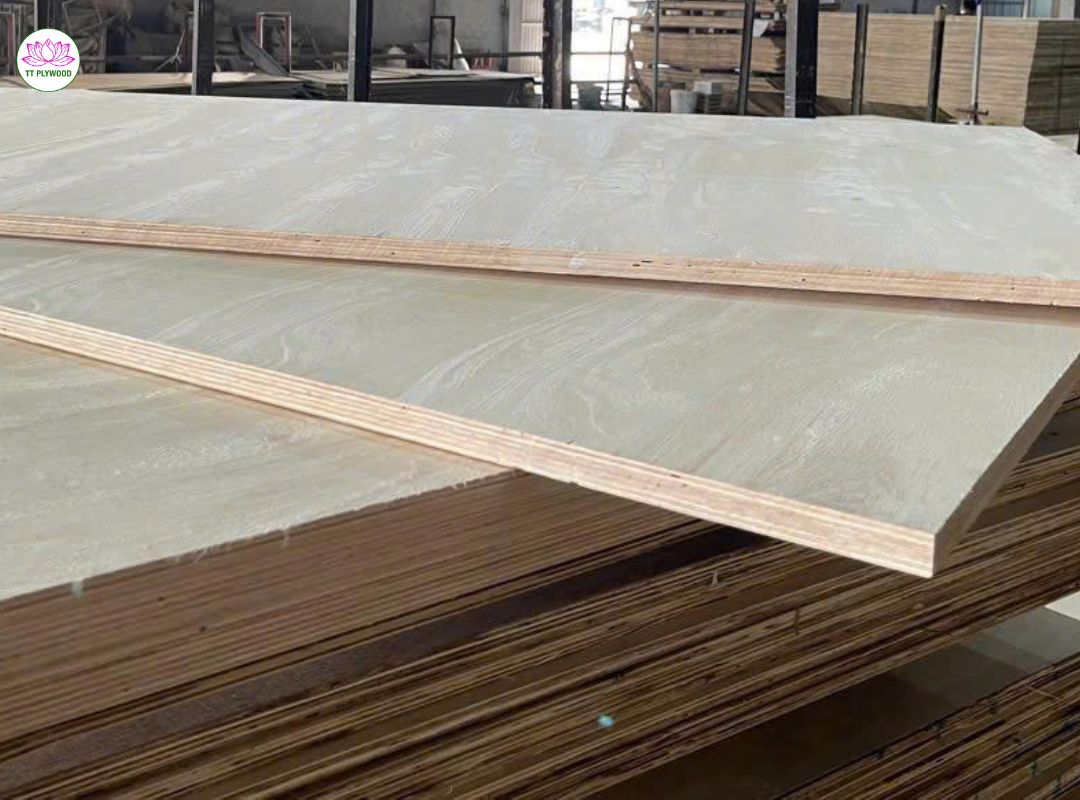
For builders and importers seeking high-quality options outside the U.S. market, Vietnam offers reliable equivalent to ACX/CDX plywood solutions that meet exterior and structural performance requirements. Manufacturers such as TT Plywood supply Vietnam alternatives engineered with exterior-grade veneers and WBP bonding, delivering stability, moisture resistance, and load-bearing strength comparable to American-rated panels. These products include Exterior grade A/C – C/D plywood and WBP plywood similar to ACX/CDX, which are manufactured with carefully selected hardwood or eucalyptus cores to ensure durability and consistent layer integrity. With competitive pricing, strict moisture control, and export-ready specifications, TT Plywood’s exterior-grade panels provide a practical, high-performance substitute for international buyers who need ACX/CDX-style plywood standards without relying solely on U.S. domestic supply.
If you are sourcing ACX, CDX, or other exterior-grade plywood for construction, roofing, sheathing, or export supply, our team can assist with specifications, samples, and technical guidance. Contact us to receive project-specific recommendations and high-quality plywood engineered for U.S. and EU requirements.
📞Hotline/WhatsApp/Line/Kakao: +84 32 694 2288
📧Email: info@ttplywood.com
🌐Website: https://ttplywood.com/
FAQ
1. Is ACX plywood waterproof?
No. ACX uses exterior adhesive but still requires sealing or painting to remain stable in long-term outdoor exposure.
2. Can CDX plywood be used outdoors permanently?
No. CDX tolerates short-term weather exposure during construction but must be covered to prevent moisture damage.
3. Is ACX stronger than CDX?
ACX has higher-quality veneers, but CDX is often stronger in structural sheathing because it is designed for load-bearing tasks.
References
APA – The Engineered Wood Association (2023). Plywood Grades and Performance Guide. APA Publications.
Forest Products Laboratory (2023). Wood Handbook: Wood as an Engineering Material. Madison, WI: U.S. Department of Agriculture.
U.S. Department of Commerce (2020). PS 1-09 Construction and Industrial Plywood Standard. Washington, DC.


