


-
-
-
Total payment:
-



Formaldehyde-Free and Low-Emission Plywood Trends in Europe 2026
Posted by Thanh Uyên at 08/04/2026

Introduction: A Shift from Compliance to Expectation
Across Europe, the conversation around plywood is changing. What was once a regulatory requirement formaldehyde emission control is quickly becoming a baseline expectation for buyers. In 2026, importers, distributors, and manufacturers are no longer asking whether plywood meets emission standards. They are asking how low those emissions can go and how consistently they are controlled across supply chains.
This shift is driven by a combination of stricter regulations, growing environmental awareness, and increasing pressure from end-users in sectors such as furniture, construction, and interior design. As a result, formaldehyde-free and low-emission plywood is becoming one of the most important trends shaping sourcing decisions in Europe.
For a broader understanding of plywood structures and materials, buyers can explore this complete guide to engineered wood and plywood types.
What Does “Low-Emission” and “Formaldehyde-Free” Really Mean?
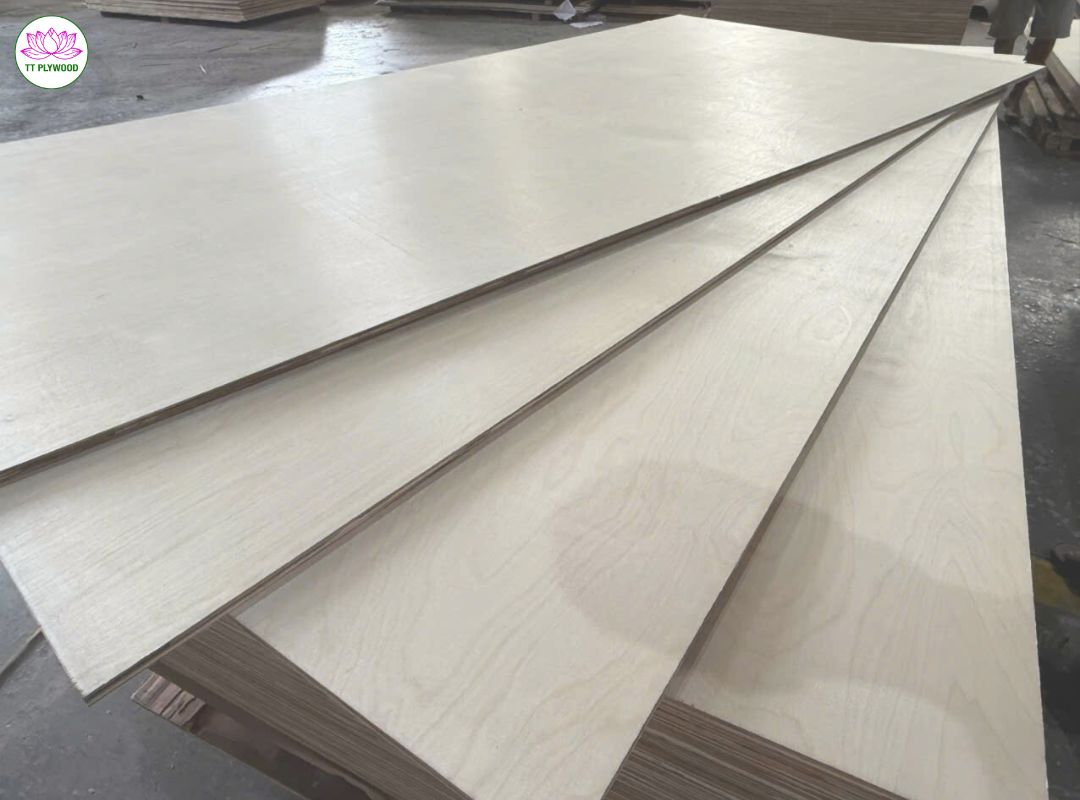
(Birch Plywood - EO glue)
Formaldehyde is a chemical commonly used in adhesives within engineered wood products. While it plays an important role in bonding performance, it also raises concerns regarding indoor air quality.
In Europe, emission levels are strictly regulated, and classification systems are widely used to define acceptable limits. The most common categories include:
- E1 standard: The current baseline requirement in Europe
- E0 (or super E0): Lower emission levels, often required in premium markets
- NAF (No Added Formaldehyde): Adhesive systems without added formaldehyde
However, it is important to understand that “formaldehyde-free” does not always mean zero emissions. Wood naturally contains trace amounts of formaldehyde. What matters is the total emission level and its impact on indoor environments.
Why Europe Is Leading the Low-Emission Plywood Trend
Regulatory Pressure and Compliance
European regulations continue to evolve, placing stricter limits on formaldehyde emissions in wood-based panels. Standards related to indoor air quality, building materials, and consumer safety are becoming more demanding.
Importers must ensure that plywood products comply not only with emission standards but also with documentation requirements, testing protocols, and traceability expectations.
Consumer Awareness and Market Demand
European consumers are increasingly aware of the health and environmental impact of building materials. This awareness is influencing purchasing decisions across the entire value chain.
Furniture brands, construction companies, and retailers are now prioritizing materials that contribute to healthier indoor environments. As a result, low-emission plywood is no longer a niche product—it is becoming a standard requirement.
Green Building and Sustainability Certifications
The growth of green building certifications such as LEED and BREEAM is accelerating the demand for low-emission materials. These certification systems reward projects that use environmentally friendly and low-emission products.
For suppliers, this means that emission performance is directly linked to market access and competitiveness.
Key Trends in 2026: What Buyers Should Expect
Transition from E1 to Lower Emission Standards
While E1 remains the minimum requirement, many buyers are now specifying E0 or equivalent standards. This reflects a broader shift toward stricter internal specifications, even when regulations do not explicitly require them.
Increased Demand for NAF (No Added Formaldehyde) Products
NAF plywood is gaining attention, particularly in high-end furniture and interior applications. These products use alternative adhesive systems that do not rely on formaldehyde-based resins.
However, performance, cost, and availability still vary, making it important for buyers to evaluate specifications carefully.
Greater Focus on Supply Chain Transparency
Buyers are not only concerned with the final product but also with how it is produced.
They expect:
- Clear documentation of raw material sources
- Verified emission test reports
- Consistent quality across batches
Transparency is becoming a key factor in supplier selection.
Balance Between Performance and Sustainability
While low emissions are important, performance cannot be compromised. Buyers still require plywood that meets structural, durability, and moisture resistance standards.
This creates a need for balanced solutions products that combine low emissions with reliable bonding performance.
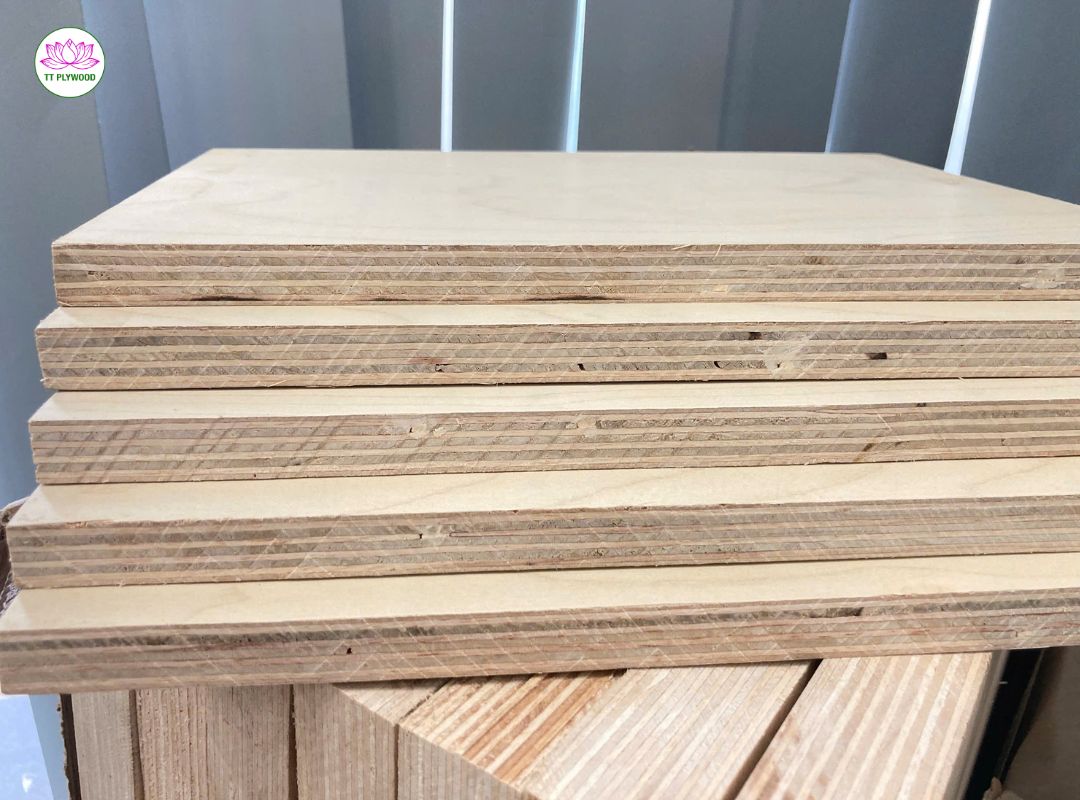
For example, birch plywood used in furniture applications must maintain both low emission levels and high machining precision. Buyers can review specifications in this birch plywood product overview.
Challenges in Low-Emission Plywood Production
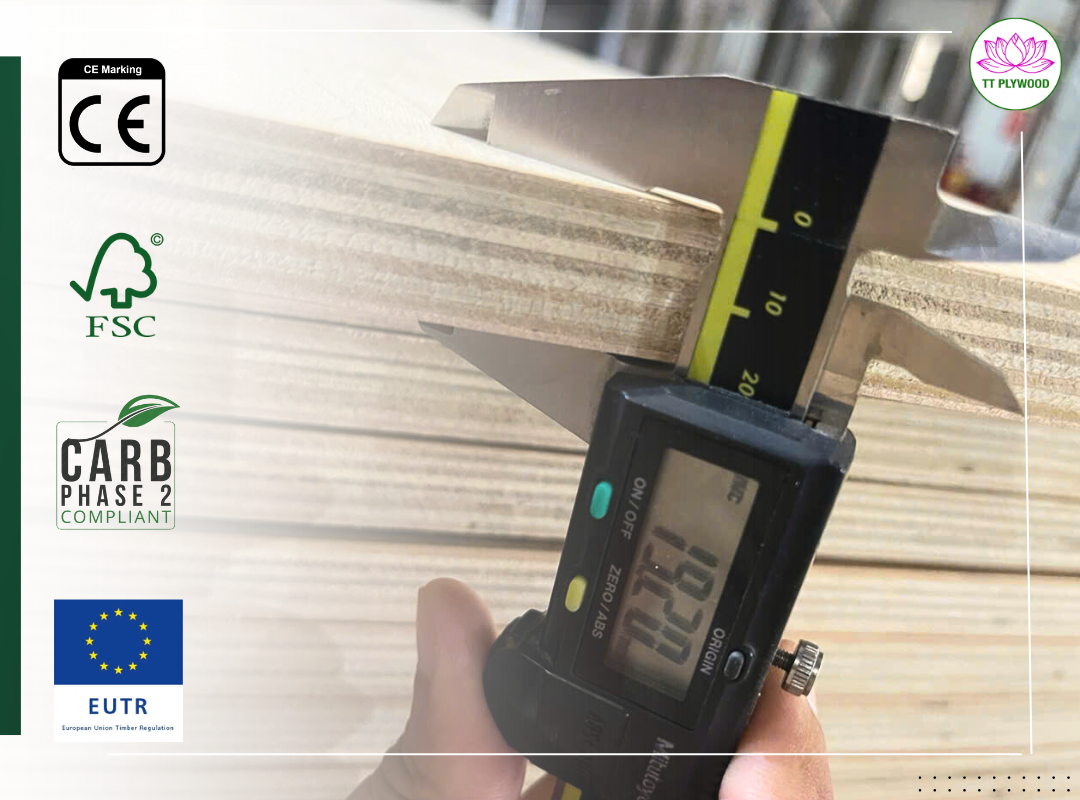
Adhesive Technology Limitations
Reducing formaldehyde emissions often requires changes in adhesive systems. However, alternative adhesives may behave differently in terms of bonding strength, curing time, and cost.
Manufacturers must carefully adjust production parameters to maintain performance while reducing emissions.
Cost Considerations
Low-emission and formaldehyde-free plywood typically involves higher production costs due to:
- Specialized adhesives
- Additional testing and certification
- Process adjustments
Buyers must evaluate whether the added cost aligns with their market requirements and end-use applications.
Consistency Across Production
Achieving low emissions is not just about formulation—it requires consistent control across the entire production process. Variations in raw materials, moisture content, or pressing conditions can affect emission levels.
Reliable suppliers invest in systems that ensure consistency across every batch.
How Buyers Can Choose the Right Low-Emission Plywood
Selecting the right product requires more than checking a certificate. Buyers should focus on practical verification and long-term reliability.
Key considerations include:
- Whether emission levels are consistently tested and documented
- Whether the supplier can provide traceable production data
- Whether the product meets both emission and performance requirements
It is also important to align specifications with the intended application. Not all low-emission products are suitable for all environments.
The Role of Vietnam in Europe’s Low-Emission Plywood Supply
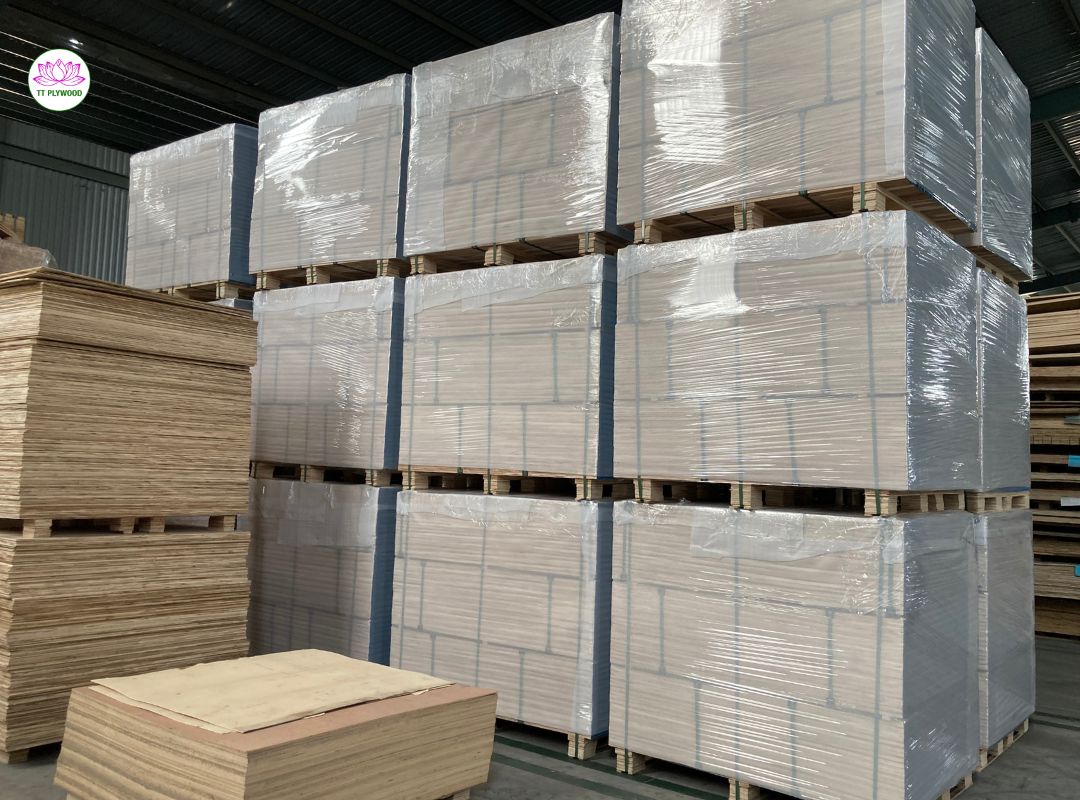
Vietnam has become an important sourcing destination for European buyers due to its manufacturing capacity and trade advantages.
Suppliers such as TT Plywood are adapting to European requirements by developing low-emission plywood solutions that meet both regulatory and market expectations.
With proper process control, Vietnamese manufacturers can deliver products that combine:
- Competitive pricing
- Stable quality
- Compliance with European standards
Buyers can explore available product solutions through the TT Plywood product portfolio.
Why Low-Emission Plywood Is a Long-Term Trend
The shift toward formaldehyde-free and low-emission plywood is not temporary. It reflects broader changes in regulation, consumer expectations, and industry standards.
As Europe continues to prioritize sustainability and health, emission performance will become a standard requirement rather than a differentiating factor.
For suppliers, this means continuous investment in technology and process improvement. For buyers, it means adapting sourcing strategies to ensure long-term compliance and competitiveness.
Conclusion: From Compliance to Competitive Advantage
In 2026, formaldehyde-free and low-emission plywood is no longer just about meeting regulations—it is about meeting expectations.
Buyers in Europe are increasingly prioritizing products that support healthier indoor environments, transparent supply chains, and sustainable practices.
Understanding emission standards, evaluating supplier capabilities, and aligning product specifications with market demands are essential steps in making informed sourcing decisions.
Companies that adapt early to these trends will not only meet compliance requirements but also gain a competitive advantage in a rapidly evolving market.
References
European Panel Federation. (2023). Wood-Based Panels and Formaldehyde Emissions in Europe.
European Commission. (2022). Indoor Air Quality and Construction Materials Regulations.
APA – The Engineered Wood Association. (2020). Engineered Wood Products Guide.


