



-
-
-
Total payment:
-




Plywood vs Alternatives for Kitchen Cabinets USA 2026
Posted by Thanh Uyên at 17/04/2026

Why cabinet material choice matters in 2026
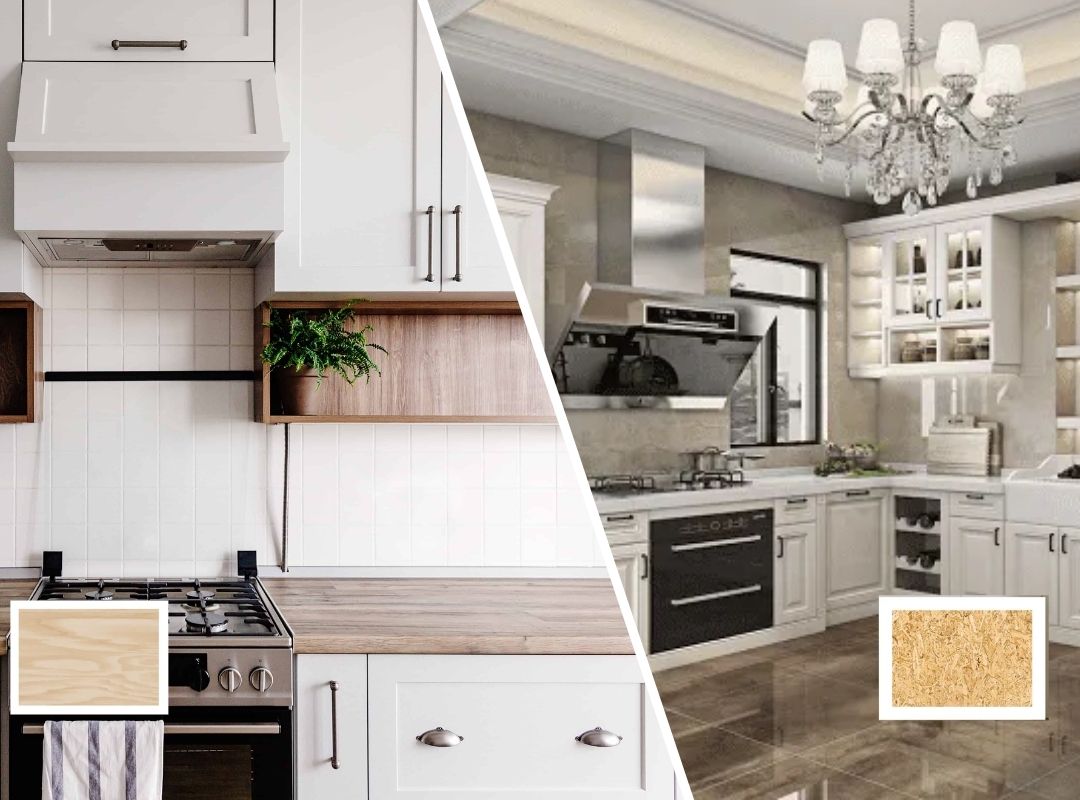
In 2026, kitchen cabinet buyers in the United States are paying closer attention to material performance, durability, and long-term value. Rising renovation costs, changing consumer expectations, and increased awareness of moisture resistance have all made cabinet material selection more important than ever.
While style and finish remain important, the real performance of a kitchen cabinet begins with the panel material used behind the surface. A cabinet may look premium from the outside, yet fail over time if the internal material cannot handle humidity, weight, or daily use.
This is why many buyers are comparing plywood vs cabinet alternatives such as MDF, particle board, HDF, and solid wood. Each material has advantages, but not all perform equally in modern kitchens.
To better understand how plywood and engineered wood products are structured, buyers can review this complete guide to plywood and engineered wood materials.
Why material selection is a bigger issue in the USA market
Kitchen cabinets in the United States face a combination of performance demands. They must withstand daily opening and closing, heavy storage loads, temperature fluctuations, and varying humidity levels depending on the region.
For example:
- Coastal states may experience higher humidity
- Northern regions face dry winters and heated interiors
- Southern climates often combine heat and moisture
- Busy family kitchens create heavy daily wear
Because of these conditions, material durability is no longer a minor detail. It directly affects customer satisfaction, warranty claims, and replacement costs.
Why plywood remains a leading choice for kitchen cabinets

Plywood continues to be one of the most trusted materials for cabinet construction because of its layered veneer structure. Multiple wood veneers are bonded together with alternating grain directions, creating strength and dimensional stability.
This structure gives plywood several practical advantages in kitchen environments:
- Better screw-holding strength for hinges and hardware
- Improved resistance to warping compared with fiber-based boards
- Stronger load capacity for shelves and storage areas
- Better long-term durability in humid kitchens
For premium cabinet manufacturing, birch plywood is especially popular due to its clean surface, machining precision, and reliable structure. Buyers can review options in this birch plywood product overview.
MDF for kitchen cabinets: Smooth but more moisture sensitive
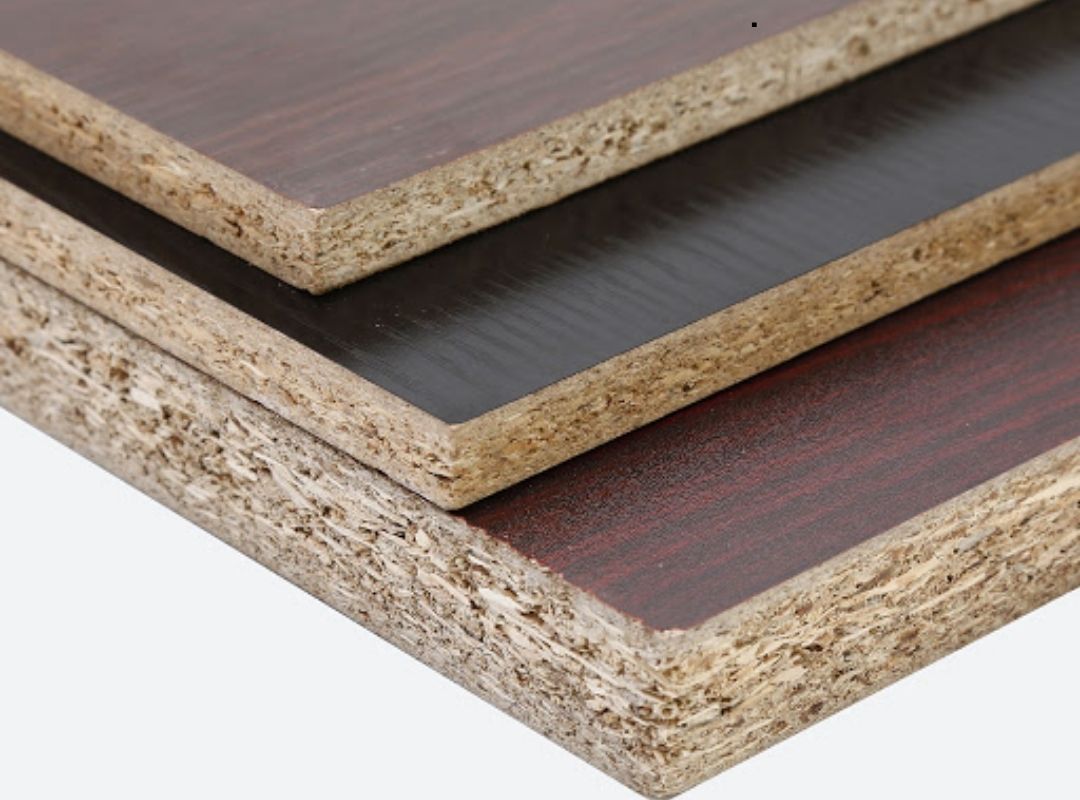
MDF (Medium Density Fiberboard) remains common in cabinet doors, decorative panels, and painted finishes. It offers a smooth surface that is ideal for routing and paint application.
However, MDF performs differently from plywood in cabinet boxes or moisture-prone areas. Because it is made from compressed wood fibers, it can absorb moisture more easily than plywood if edges or surfaces are exposed.
In practical use, MDF may be suitable for controlled interior environments, but buyers should be cautious in areas near sinks, dishwashers, or frequent steam exposure.
Particle Board: Low cost but lower durability
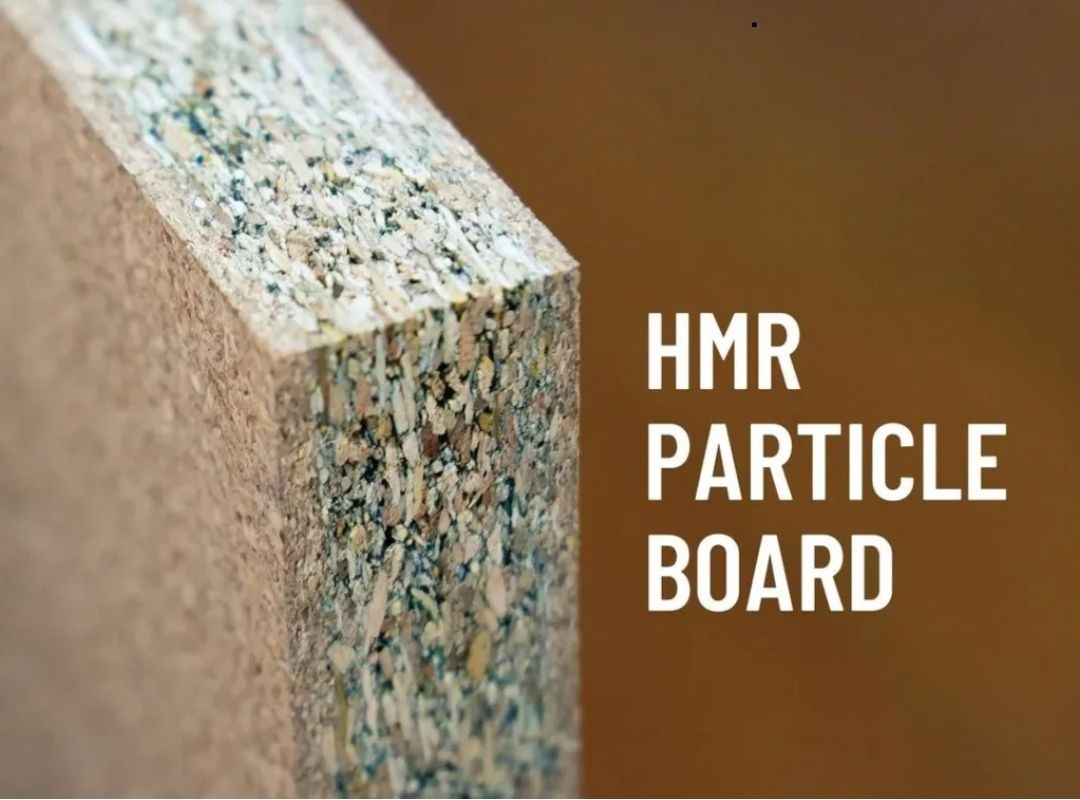
Particle board is often selected in price-sensitive cabinet projects because it is economical and widely available. It is made from wood particles bonded with resin under pressure.
While it may reduce upfront costs, it generally offers lower structural strength and reduced moisture resistance compared with plywood. Over time, particle board may weaken around screws, swell when wet, or sag under heavy loads.
For value-driven projects, it can be acceptable in dry areas, but it is less ideal for long-term premium kitchens.
Solid Wood: Premium appearance but higher movement risk
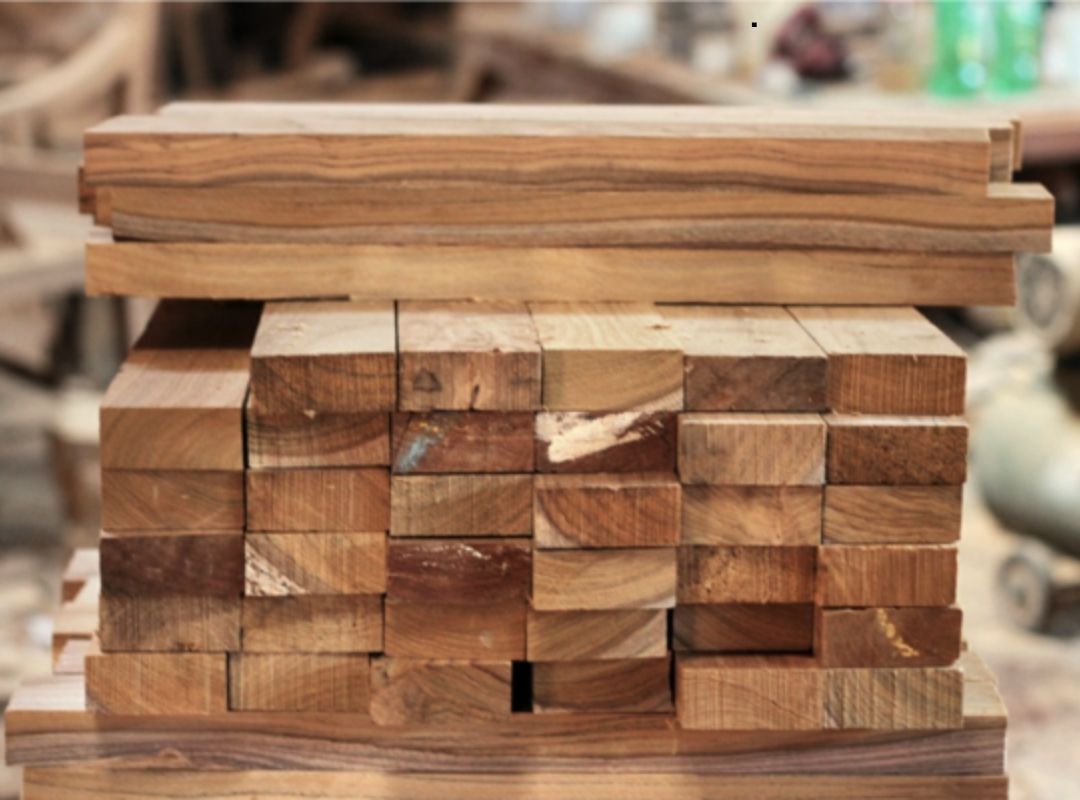
Solid wood is valued for its natural beauty and traditional appeal. It is often used in cabinet doors, face frames, and visible components.
However, for full cabinet box construction, solid wood has limitations. Natural wood expands and contracts with humidity changes, which can create movement over time. It is also typically more expensive than plywood or engineered panels.
Many manufacturers therefore combine solid wood aesthetics with plywood structure for a better balance of appearance and stability.
Performance Comparison: Plywood vs Alternatives
When comparing common kitchen cabinet materials in the USA market, the differences become clear.
Plywood
Best balance of strength, screw holding, moisture resistance, and long-term reliability. Suitable for cabinet boxes, shelves, and premium builds.
MDF
Excellent for painted doors and decorative routed components. Less suitable for moisture-heavy cabinet interiors unless carefully sealed.
Particle Board
Budget-focused option for dry interior use. Lower strength and lower resistance to moisture damage.
Solid Wood
Strong visual appeal and premium image, but higher cost and natural movement risk. Best used selectively.
Why USA buyers often upgrade to plywood in 2026
Many homeowners and contractors in the United States begin by comparing price. However, long-term ownership cost is becoming a more important metric than initial purchase price alone.
Cabinets that fail early due to swelling, loose hinges, or sagging shelves often create higher total costs through repairs or replacement.
As a result, many buyers are upgrading to plywood because it offers:
- Longer service life
- Better structural confidence
- Lower risk in humid kitchens
- Stronger value over time
This is especially relevant in mid-range to premium kitchen remodeling projects.
Regional USA trends affecting cabinet material choice
Material choice is also influenced by geography.
In humid states such as Florida or coastal regions, moisture resistance becomes a higher priority. In colder northern states, heating systems may create dry indoor conditions that stress unstable materials. In high-end urban renovation markets, durability and resale value often matter more than lowest price.
Because the USA market is diverse, there is no single perfect material for every project. However, plywood remains one of the most versatile options across regions.
Why global buyers source cabinet plywood from Vietnam
The United States continues to source cabinet-grade plywood from global suppliers due to demand for quality and cost efficiency. Vietnam has become an important supply base because of manufacturing capability, competitive pricing, and growing quality standards.
Suppliers such as TT Plywood focus on delivering plywood suitable for furniture and cabinet manufacturing, combining structural performance with export consistency.
Buyers can explore options through the TT Plywood product portfolio for kitchen cabinet applications and furniture production.
Common mistakes buyers should avoid
Many cabinet issues begin with material mismatch rather than workmanship.
Common mistakes include:
- Choosing lowest-cost board without considering humidity exposure
- Using MDF near sinks or wet zones without proper sealing
- Ignoring shelf load requirements
- Focusing only on door appearance while neglecting cabinet box quality
- Selecting materials without understanding long-term maintenance cost
A smarter approach is to match material type to the actual kitchen environment and expected usage level.
Conclusion: Which material wins in 2026?
In the USA kitchen cabinet market of 2026, buyers are comparing more than price—they are comparing reliability, durability, and long-term value.
Plywood remains one of the strongest all-around choices because it offers structural strength, moisture resistance, and dependable performance across many climates and kitchen styles. MDF still has value in decorative uses, particle board serves budget segments, and solid wood remains attractive for visible premium components.
For cabinet boxes and performance-critical structures, plywood often delivers the best balance between cost and durability.
For buyers in the United States seeking long-term value, understanding the difference between plywood and alternatives is the key to making a smarter decision.
FAQ: Plywood vs Alternatives for Kitchen Cabinets USA 2026
1. Is plywood better than MDF for kitchen cabinets?
Yes, plywood is generally better for cabinet boxes because it offers stronger screw holding, better moisture resistance, and longer durability. MDF is often better for painted doors.
2. What is the best cabinet material in humid kitchens?
Plywood is one of the best choices for humid kitchens because it resists swelling better than particle board or MDF.
3. Why do some USA buyers choose particle board cabinets?
Mainly for lower upfront cost. However, long-term durability may be lower than plywood.
4. Is solid wood better than plywood for cabinets?
Solid wood is attractive for visible components, but plywood is often more stable for cabinet box construction.
5. What plywood is commonly used for premium cabinets?
Birch plywood and other hardwood plywood types are common due to their strength and clean finish.
References
Forest Products Laboratory. (2010). Wood Handbook: Wood as an Engineering Material.
APA – The Engineered Wood Association. (2020). Engineered Wood Products Guide.
Kitchen and Bath Industry market trend publications, 2024–2025.


