


-
-
-
Total payment:
-

Best Core Plywood for Moisture Resistant Cabinets in 2026
Posted by Thanh Uyên at 16/04/2026

Why Core Material Matters in Moisture-Resistant Cabinets
In 2026, cabinet performance is no longer defined only by design or surface finish. For buyers in Europe and the United States, the internal structure of plywood especially the core material has become a critical factor in determining durability and long-term reliability.
Cabinets used in kitchens, bathrooms, and humid environments are constantly exposed to moisture fluctuations. While surface coatings may offer temporary protection, the core material ultimately determines whether the panel maintains its shape, strength, and integrity over time.
To understand how plywood structure influences performance, it is useful to review this complete guide to plywood and engineered wood materials.
What Does “Moisture-Resistant Cabinet Plywood” Really Mean?
Moisture resistance in plywood is not defined by a single factor. It is the result of a combination of core material, adhesive system, and manufacturing control.
Many buyers assume that using water-resistant glue alone is sufficient. In reality, even the best adhesive cannot compensate for a weak or unstable core. If the core absorbs moisture easily or lacks structural consistency, the panel may still warp, swell, or delaminate over time.
This is why selecting the right core material is essential for cabinet applications, especially in high-humidity environments.
Common Core Types Used in Cabinet Plywood
Different core materials offer different performance levels. Understanding their characteristics helps buyers choose the most suitable option for moisture-resistant cabinets.
Hardwood Core (Eucalyptus, Birch, Mixed Hardwood)
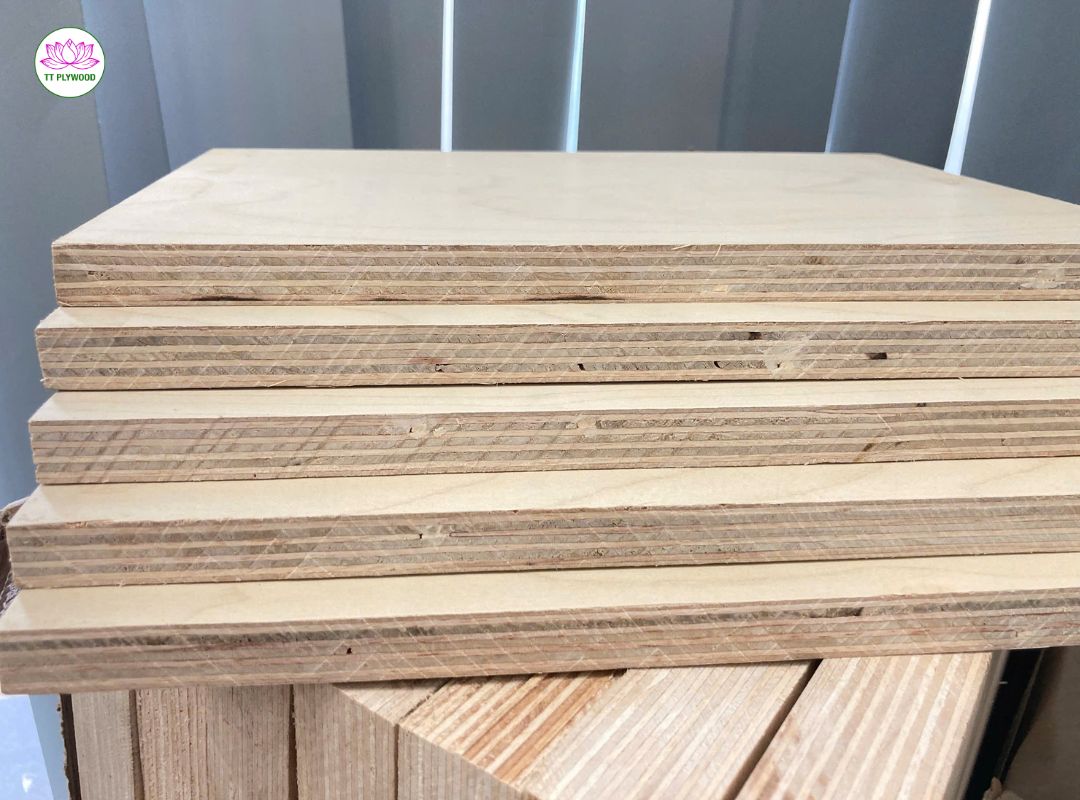
Hardwood cores are widely used in high-quality plywood due to their strength and durability. These cores are made from solid veneers arranged in multiple layers, providing a stable and balanced structure.
In moisture-prone environments, hardwood cores perform well because they:
- Maintain structural integrity under humidity
- Resist deformation better than softwood or fiber-based cores
- Provide strong bonding surfaces for adhesives
Among these, birch plywood is particularly valued for its uniform structure and precision performance. Buyers can explore specifications in this birch plywood product overview.
Rubberwood Core
Rubberwood is a popular choice in Southeast Asian plywood production. It offers a balance between cost and performance, making it suitable for mid-range cabinet applications.
When properly processed, rubberwood core plywood provides reasonable moisture resistance. However, its performance depends heavily on veneer grading and manufacturing quality.
Eucalyptus Core
Eucalyptus is known for its density and strength. It is often used in applications that require higher load-bearing capacity.
In cabinet applications, eucalyptus cores offer:
- Strong structural support
- Good resistance to moisture-related deformation
- Long-term durability when combined with proper adhesive systems
This makes it a reliable option for moisture-resistant cabinets, particularly in export markets.
Mixed Hardwood Core
Mixed hardwood cores combine different species to optimize cost and performance. While this approach can be efficient, consistency becomes a key concern.
If not properly controlled, variations in density and moisture absorption can lead to uneven performance. Buyers should ensure that suppliers maintain strict quality control when using mixed cores.
Why Core Material Matters More Than Surface
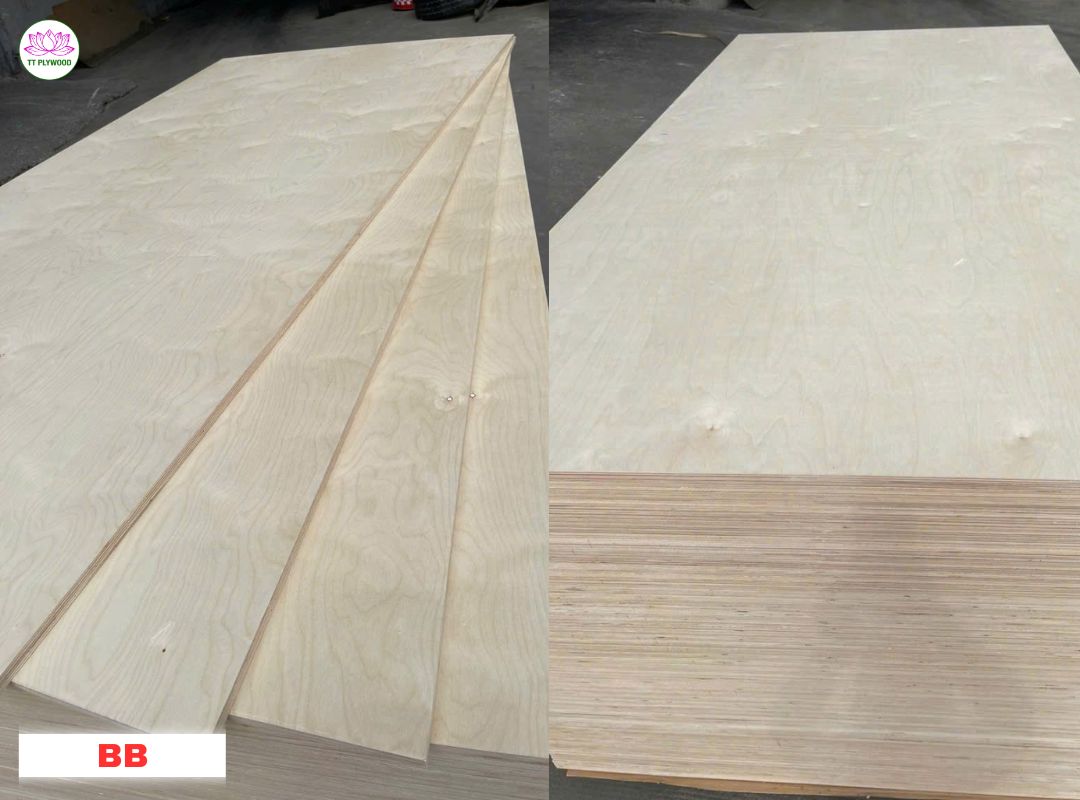
Cabinet buyers often focus on surface appearance veneer quality, lamination, or finishing. However, in humid environments, surface layers only provide limited protection.
Moisture can penetrate through edges, joints, and internal structures. Once it reaches the core, the material’s properties determine how the panel reacts.
A stable core maintains shape and strength, while a weak core may:
- Swell
- Warp
- Lose bonding integrity
This is why core selection is more critical than surface treatment when it comes to long-term durability.
The Role of Adhesive Systems in Moisture Resistance
While core material is essential, it must work together with the right adhesive system.
Phenolic (WBP) glue is widely used for moisture-resistant plywood due to its high water resistance and strong bonding performance. Melamine-based adhesives can also provide a balance between cost and performance for interior applications.
However, even the best adhesive cannot fully compensate for poor core quality. A strong combination of core + glue + process control is required to achieve reliable results.
At TT Plywood, these elements are integrated into production to ensure consistent performance in export-grade plywood.
Performance Comparison: Which Core Works Best for Cabinets?
When comparing core types for moisture-resistant cabinets, hardwood-based cores consistently outperform alternatives.
Key performance differences include:
- Hardwood cores offer the best dimensional stability
- Eucalyptus provides high strength and durability
- Rubberwood offers a balanced cost-performance option
- Mixed cores require strict quality control to ensure consistency
For high-end cabinet applications, hardwood or birch cores are typically the preferred choice due to their reliability and precision.
Moisture Challenges in Cabinet Applications
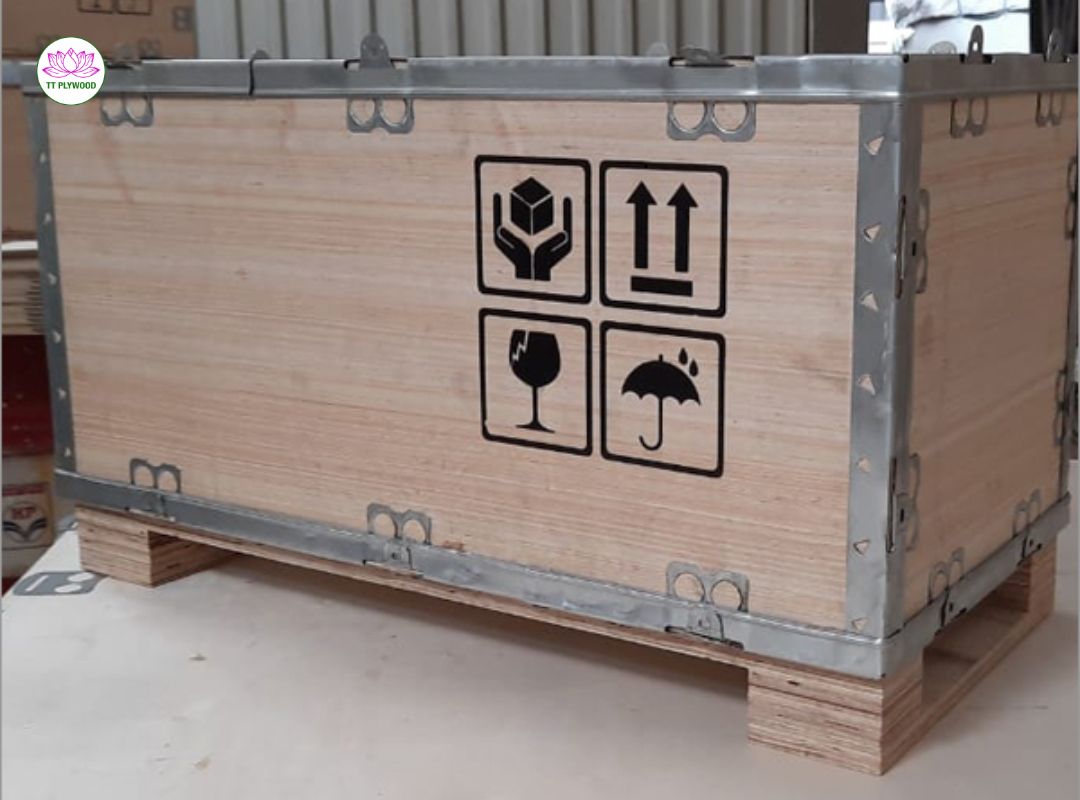
Cabinets are exposed to various moisture-related challenges, including humidity, temperature changes, and direct contact with water.
In kitchens, steam and spills create frequent moisture exposure. In bathrooms, constant humidity levels can stress materials over time.
In export scenarios, cabinets may also experience long shipping durations, where environmental conditions vary significantly.
These factors make moisture resistance a critical requirement, not an optional feature.
Why European Buyers Focus on Core Quality
In Europe, cabinet manufacturers and importers are increasingly focused on long-term performance rather than short-term cost savings.
This shift is driven by:
- Higher quality expectations from end-users
- Strict performance requirements
- Increased awareness of material behavior in real environments
As a result, buyers prioritize plywood with stable cores and reliable bonding systems, even if the initial cost is slightly higher.
The Role of Vietnam in Supplying Moisture-Resistant Plywood
Vietnam has become a key supplier of cabinet-grade plywood for global markets. With competitive pricing and improving production standards, Vietnamese manufacturers are able to meet the growing demand for moisture-resistant materials.
Suppliers such as TT Plywood focus on delivering plywood that combines consistent core quality, reliable adhesive systems, and strict process control.
Buyers can explore available solutions through the TT Plywood product portfolio to identify suitable options for cabinet applications.
Common Mistakes Buyers Should Avoid
Many issues in cabinet durability can be traced back to incorrect core selection.
Buyers sometimes choose lower-cost options without fully understanding the impact of core material on long-term performance. Others may focus on surface quality while overlooking internal structure.
Another common mistake is failing to align material specifications with actual usage conditions. Cabinets in humid environments require different specifications than those used in dry interiors.
Careful evaluation of core material, adhesive system, and supplier capability is essential to avoid these risks.
Conclusion: Choosing the Right Core for Long-Term Cabinet Performance
In 2026, moisture resistance is a defining factor in cabinet material selection. The choice of core material plays a central role in determining durability, stability, and overall performance.
Hardwood-based cores, particularly eucalyptus and birch, offer the best balance of strength and moisture resistance. Rubberwood provides a cost-effective alternative when properly controlled, while mixed cores require careful evaluation.
For buyers in Europe and the United States, selecting the right core is essential for ensuring long-term reliability and reducing risk.
Working with experienced suppliers who understand these requirements is the most effective way to achieve consistent results.
FAQ: Best Core Plywood for Moisture Resistant Cabinets
1. What is the best core plywood for moisture-resistant cabinets?
The best core plywood for moisture-resistant cabinets is typically hardwood core plywood, such as eucalyptus or birch. These materials offer strong structural stability and better resistance to moisture compared to softer or fiber-based cores.
2. Is birch plywood suitable for kitchen and bathroom cabinets?
Yes, birch plywood is highly suitable for kitchen and bathroom cabinets. It provides excellent strength, dimensional stability, and precision, making it ideal for environments with moderate to high humidity.
3. Can rubberwood core plywood be used in humid environments?
Rubberwood core plywood can be used in humid environments if it is properly manufactured and combined with moisture-resistant adhesives. However, it may not perform as well as eucalyptus or birch cores in long-term exposure.
4. Does glue type matter for moisture-resistant plywood?
Yes, glue type is critical. Phenolic (WBP) glue offers the highest water resistance, while melamine glue provides a balanced solution for interior applications. The combination of core material and adhesive determines overall performance.
References
Forest Products Laboratory. (2010). Wood Handbook: Wood as an Engineering Material.
APA – The Engineered Wood Association. (2020). Engineered Wood Products Guide.
European Panel Federation. (2023). Wood-Based Panels Market Insights.


