



-
-
-
Total payment:
-




How to Inspect Commercial Plywood: 6 Quality Checks to Avoid Costly Mistakes
Posted by Đỗ Tiến Hải at 21/09/2023
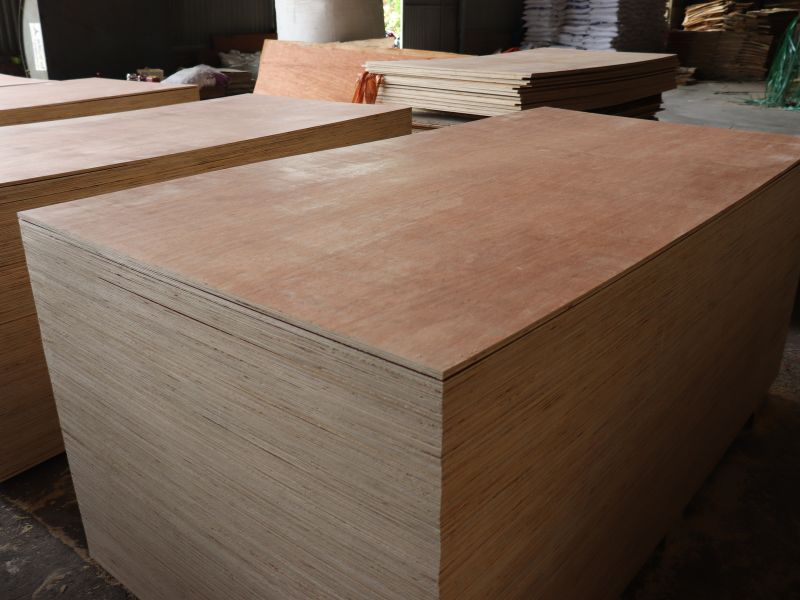
Commercial plywood is widely used in furniture manufacturing, interior fit-outs, packaging, and light construction. While panels from different suppliers may look similar at first glance, hidden quality issues can lead to production delays, shipment rejections, or costly claims after delivery.
For buyers and importers, plywood inspection is not just a visual check. It is a risk-control step that protects cost, schedule, and downstream performance. This guide outlines six essential quality checks that help buyers avoid common mistakes when inspecting commercial plywood.
1. Core Construction and Internal Consistency
The core determines the structural integrity of commercial plywood. During inspection, check whether the core is made from uniform hardwood, mixed species, or softwood, and look closely for gaps, overlaps, or excessive filler between layers.
Poor core construction often leads to weak load distribution, panel breakage, and instability during machining or assembly. Even when surface veneers appear acceptable, internal voids can cause failures in furniture frames or packaging applications.
2. Bonding Quality and Glue Performance
Bonding quality is critical to plywood durability. Inspect panel edges and corners for early signs of delamination, especially after light bending or tapping.
Confirm the adhesive type used, such as MR, WBP, or phenolic glue, and verify that it matches the intended application environment. Weak bonding can result in layer separation under humidity changes, transport stress, or long-term use, which is a common cause of customer complaints and returns.
3. Thickness Accuracy and Dimensional Tolerance
Nominal thickness alone is not sufficient for inspection. Measure actual panel thickness at multiple points across the board to ensure consistency within acceptable tolerances.
Inconsistent thickness affects CNC machining accuracy, joint alignment, and finished product quality. Thickness variation is often a sign of poor pressing control and can increase material waste and rework costs during production.
4. Moisture Content and Panel Stability
Moisture content directly impacts plywood performance after delivery. Panels with excessive moisture may warp, swell, or develop surface defects once they acclimate to a different climate.
Use a moisture meter to verify that plywood moisture levels are appropriate for the destination market and application. Stable commercial plywood should maintain its shape during storage, processing, and end use. Uncontrolled moisture is a frequent cause of delayed claims that appear weeks after shipment.
5. Surface Quality and Veneer Integrity
Surface quality affects both appearance and downstream finishing processes. Inspect face and back veneers for cracks, patches, overlaps, sanding marks, and veneer splits.
For furniture and interior applications, surface defects can reduce laminating or painting quality and increase rejection rates during finishing. Even for packaging use, poor surface integrity may indicate weak production control that also affects internal quality.
6. Certification, Compliance, and Documentation
Beyond physical inspection, documentation is a critical part of quality control. Verify certifications and compliance claims such as FSC, CARB Phase 2, EPA TSCA Title VI, or E0/E1 formaldehyde standards when required by the market.
Ensure that specifications, test reports, and country-of-origin documents are consistent and complete. Missing or unclear documentation increases customs risk and may result in shipment delays or rejection, even if the plywood itself appears acceptable.
Final Thoughts: Inspection Is Risk Management, Not a Formality
Inspecting commercial plywood is not a routine formality it is a practical risk-management process. By checking core construction, bonding quality, thickness consistency, moisture content, surface condition, and compliance documentation, buyers can prevent costly mistakes before they reach production or the customer.
A structured inspection approach helps ensure consistent quality, protects supply reliability, and reduces long-term sourcing risk in international plywood trade.
Selecting commercial plywood is not just about price—it is about quality control, compliance, and long-term reliability. If you need support verifying specifications, understanding compliance requirements, or sourcing commercial plywood that meets international standards, our team can help.
👉 Contact TT Plywood for expert guidance on commercial plywood inspection and sourcing.
📧 Email: info@ttplywood.com
📞 Hotline / WhatsApp / Line / Kakao: +84 32 694 2288
Frequently Asked Questions (FAQ)
What is the most common defect found during commercial plywood inspection?
The most frequent issues are internal core voids and weak bonding between layers. These defects are often invisible from the surface but can cause panel failure during machining or long-term use.
Is visual inspection enough to evaluate commercial plywood quality?
No. Visual inspection should be combined with thickness measurement, moisture testing, and documentation review. Many critical defects, such as inconsistent bonding or high moisture content, cannot be detected by appearance alone.
What moisture content is acceptable for commercial plywood?
Acceptable moisture levels depend on the destination market and application, but most commercial plywood performs best within a controlled moisture range suitable for indoor use. Excess moisture increases the risk of warping and delayed quality claims.
How can buyers reduce quality disputes with plywood suppliers?
Clear specifications, pre-shipment inspection, and consistent documentation checks significantly reduce disputes. Establishing inspection criteria before production begins is more effective than inspecting after shipment.
Do all commercial plywood products require certification?
Not all applications require certification, but many export markets demand compliance with standards such as FSC, CARB Phase 2, EPA TSCA Title VI, or E0/E1. Buyers should confirm requirements based on destination regulations and customer expectations.


