


-
-
-
Total payment:
-



Best Plywood for Roofing, Subfloor, and Outdoor Use in 2026
Posted by Thanh Uyên at 12/05/2026

Why choosing the right plywood matters more than ever
In 2026, builders, contractors, distributors, and homeowners are paying much closer attention to plywood performance than in previous years. Rising construction costs, changing climate conditions, and stricter quality expectations have made material selection a critical part of every project.
Whether for roofing systems, subfloor structures, or outdoor applications, plywood is now expected to deliver more than basic structural support. Buyers increasingly look for durability, moisture resistance, dimensional stability, and long-term reliability.
However, not all plywood products perform equally. A panel that works well for interior furniture may fail quickly when exposed to rain, humidity, or structural load stress. This is why understanding the differences between plywood types has become essential for professional buyers in Europe and the United States.
To better understand plywood structure and engineered wood materials, buyers can review this complete guide to plywood and engineered wood materials.
What makes plywood suitable for roofing, subfloor, and outdoor use?
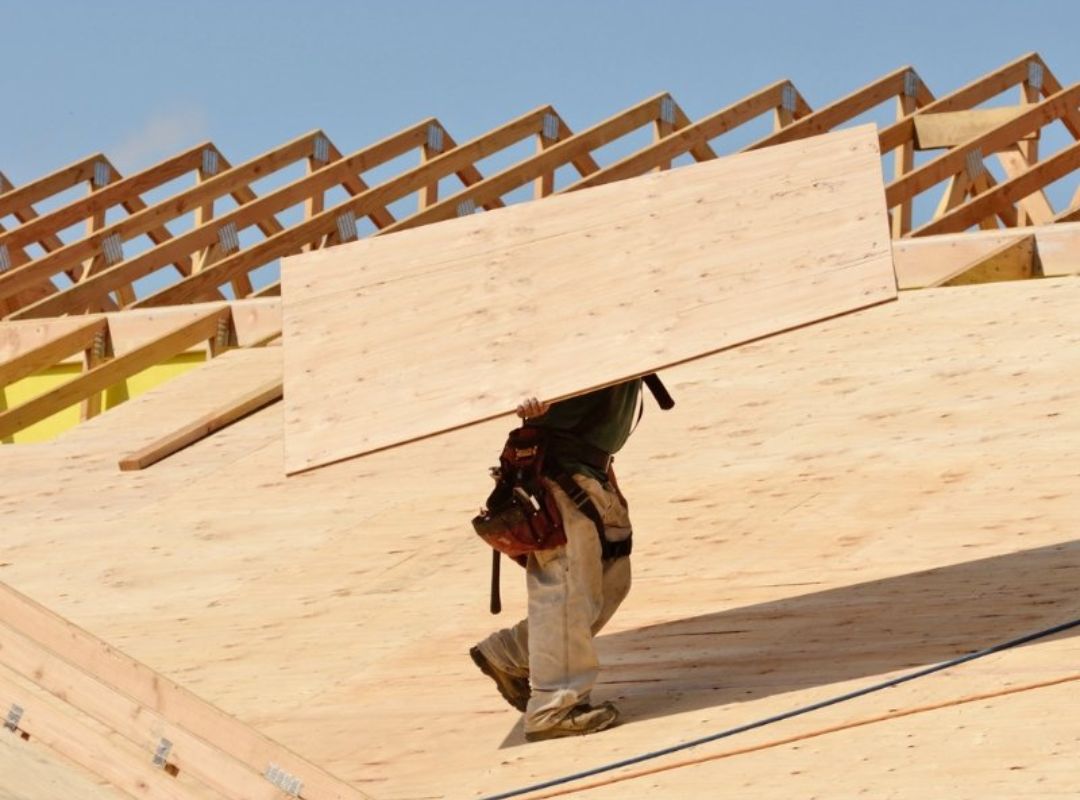
Plywood used in structural or exterior environments must meet significantly higher performance standards than standard interior panels. Moisture resistance, structural strength, bonding durability, and dimensional stability all play major roles in long-term performance.
If any of these factors are weak, plywood may warp, swell, delaminate, or lose structural integrity over time. This becomes especially important in roofing and subfloor systems where panels are exposed to continuous weight, vibration, and environmental stress.
Modern buyers are therefore focusing more on real performance rather than simply choosing the cheapest available panel.
Best plywood for roofing in 2026
Roofing plywood must withstand moisture exposure, temperature fluctuations, and structural movement over many years. Inconsistent panels may create uneven roof surfaces or weaken structural reliability over time.
For roofing applications, exterior-grade hardwood plywood with phenolic (WBP) glue systems remains one of the most recommended options. These plywood panels provide stronger bonding durability and improved resistance against moisture-related failure.
High-quality roofing plywood should also maintain:
- Stable veneer bonding
- Minimal internal voids
- Consistent thickness and density
In 2026, builders increasingly prioritize plywood with better moisture control because unstable panels can lead to expensive repair costs after installation.
Best plywood for subfloor applications
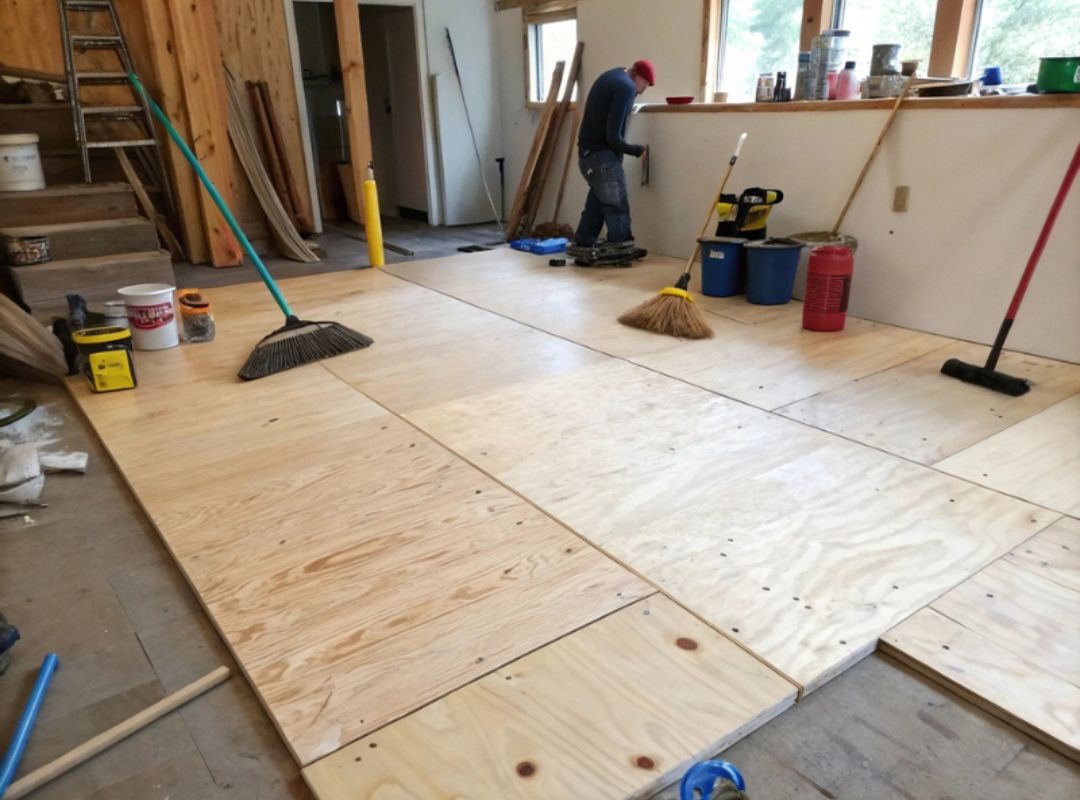
Subfloor plywood serves as the structural foundation beneath flooring systems. It supports foot traffic, furniture loads, and long-term structural stress while helping maintain floor stability.
Low-quality plywood often creates problems such as squeaking floors, panel movement, or structural weakness due to internal voids and inconsistent density. Because of this, many professional contractors now prefer hardwood construction plywood with stronger core structures and more stable bonding systems.
Compared with cheaper alternatives, higher-quality plywood offers better screw-holding performance and reduced warping risk, both of which are critical for long-term flooring durability.
As labor costs continue rising in the United States and Europe, contractors are becoming more cautious about material failures that may require costly replacement work later.
Best plywood for outdoor use
Outdoor plywood faces some of the harshest conditions in construction and industrial applications. Moisture, humidity, sunlight, and temperature fluctuations can quickly damage panels that are not properly manufactured.
The best plywood for outdoor use typically combines:
- Hardwood core structures
- Phenolic (WBP) glue systems
- Proper moisture control during production
Outdoor plywood is commonly used in construction projects, outdoor furniture, packaging, temporary structures, and concrete formwork systems.
Many buyers assume that all “outdoor plywood” performs similarly, but actual durability depends heavily on glue quality and manufacturing consistency. Poorly bonded plywood may begin delaminating after relatively short moisture exposure.
Why glue type matters more than many buyers realize
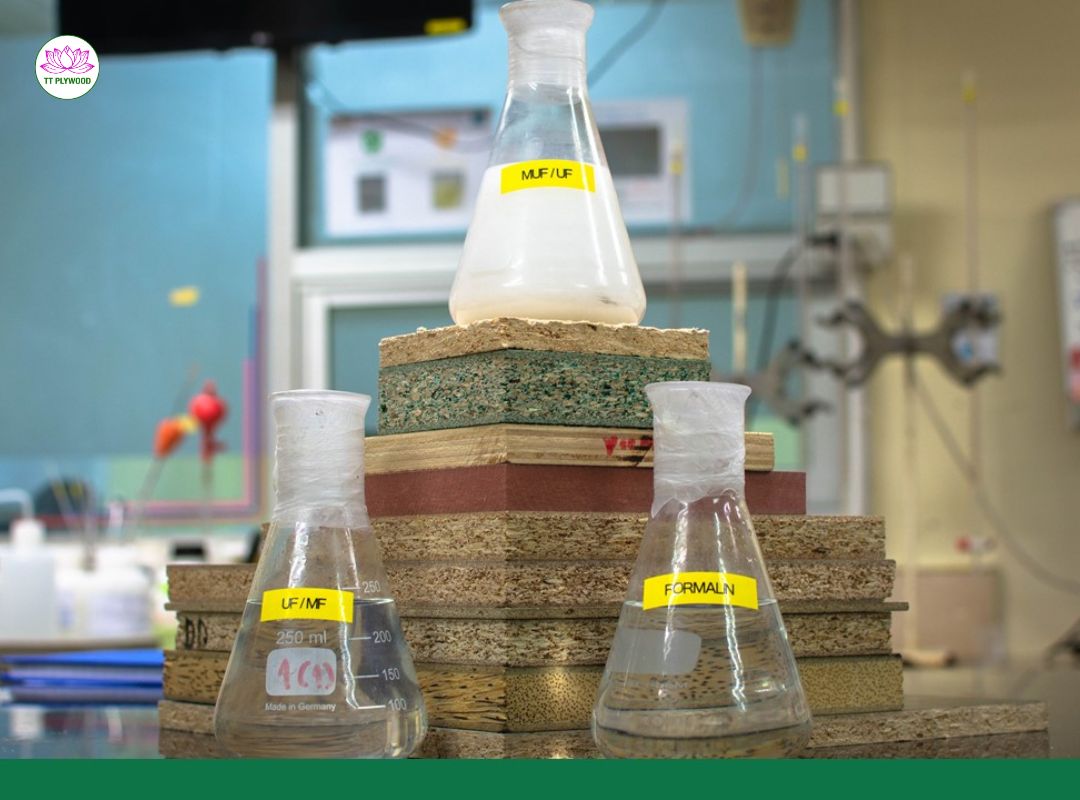
One of the biggest misconceptions in plywood sourcing is that surface appearance defines overall quality. In reality, the adhesive system often plays a much larger role in long-term durability.
Interior plywood commonly uses UF glue systems, which are suitable for dry environments but perform poorly under moisture exposure. Melamine glue offers moderate moisture resistance and is often used in interior humid conditions.
For roofing, subfloor, and outdoor applications, phenolic (WBP) glue remains the preferred choice because it provides superior bonding durability and water resistance.
At TT Plywood, glue systems are selected according to application requirements to ensure reliable export performance and long-term structural stability.
Hardwood plywood vs softwood plywood
The wood species used in plywood production significantly affects performance. Hardwood plywood generally offers higher density, stronger structural performance, and improved dimensional stability compared with many softwood alternatives.
Softwood plywood may provide lower cost and lighter weight, but it often delivers lower durability under demanding structural conditions. For applications such as roofing and subfloor systems, hardwood-based plywood is increasingly preferred because it provides better long-term reliability.
In moisture-prone environments, stronger core density and better bonding systems help reduce the risk of warping and structural movement.
Why moisture content control is critical
Moisture content is one of the most important factors influencing plywood performance. Even high-quality plywood may experience dimensional instability if moisture is not properly controlled during production and shipping.
Excessive moisture can cause plywood to:
- Warp after installation
- Expand or shrink excessively
- Experience bonding stress
- Develop uneven surfaces
This issue becomes particularly important for export shipments moving between different climate zones. Professional manufacturers therefore implement strict moisture monitoring systems throughout production and storage.
For buyers in international markets, stable moisture control is often one of the clearest indicators of reliable plywood manufacturing quality.
Construction plywood vs concrete forming plywood
Although both products are used in structural environments, construction plywood and concrete forming plywood serve different purposes.
Construction plywood is primarily designed for roofing systems, subfloor structures, and wall sheathing where dimensional stability and load-bearing performance are critical.
Concrete forming plywood, on the other hand, is specifically designed for temporary concrete casting applications. These panels often include film-faced surfaces and enhanced water resistance to handle repeated moisture exposure during the concrete curing process.
Using the wrong plywood type can reduce performance, shorten lifespan, and increase project costs.
Why cheap plywood often creates higher costs
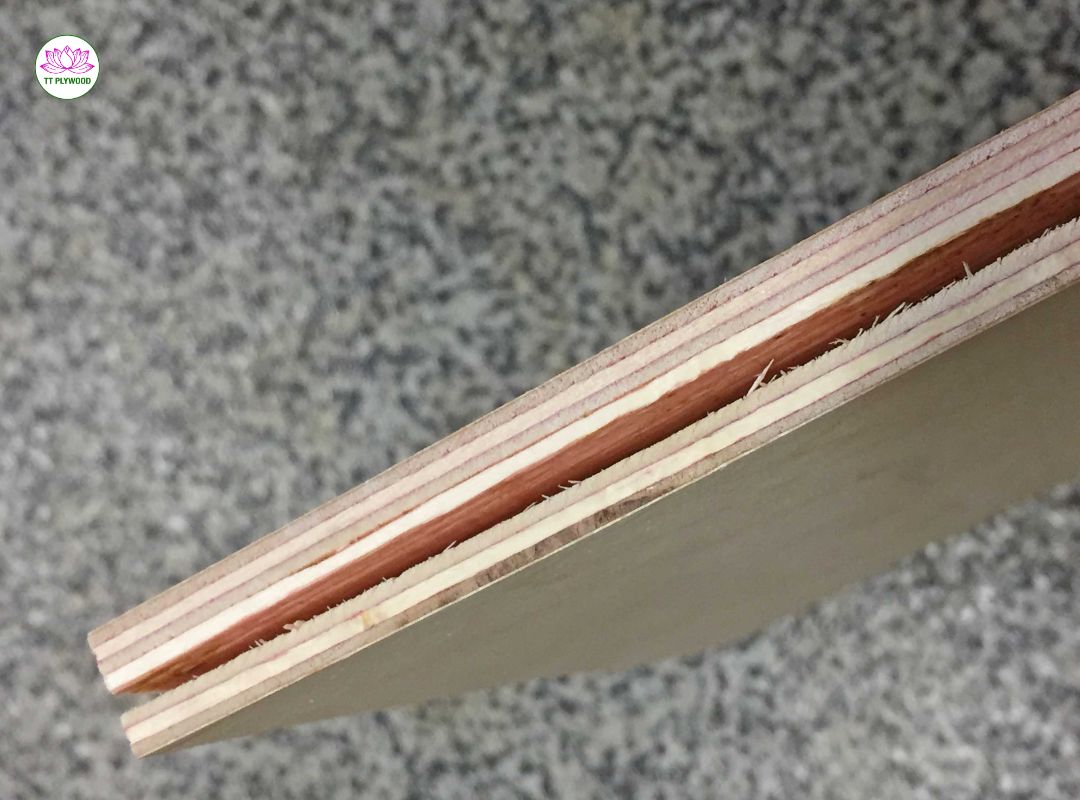
Many buyers initially focus on the lowest plywood price, especially in competitive construction projects. However, cheap plywood frequently leads to higher long-term costs because of poor durability and inconsistent performance.
Common problems with low-quality plywood include:
- Weak bonding systems
- Excessive internal voids
- Poor moisture resistance
- Inconsistent veneer quality
Material failure in roofing or flooring systems can create labor-intensive repairs that cost significantly more than the original savings from cheaper panels.
As a result, professional contractors increasingly evaluate plywood based on total project value rather than simply comparing raw panel prices.
Why Vietnam is becoming a major construction plywood supplier
Vietnam has become one of the fastest-growing plywood supply bases in the global market due to its manufacturing capability, export experience, and competitive pricing structure.
Suppliers such as TT Plywood continue investing in quality control systems, moisture management, and production consistency to meet international construction standards.
For buyers looking for reliable construction plywood, outdoor plywood, and industrial plywood solutions, the TT Plywood product portfolio provides a wide range of export-grade specifications suitable for global markets.
Common mistakes buyers should avoid
Many plywood failures are caused not by the material itself, but by incorrect sourcing decisions and incomplete specification planning.
Some of the most common mistakes include:
- Choosing interior plywood for exterior applications
- Ignoring glue system specifications
- Focusing only on surface appearance
- Underestimating environmental moisture exposure
Professional buyers increasingly prioritize long-term performance and structural reliability rather than simply choosing the lowest-cost panel available.
The growing demand for durable plywood in 2026
Construction trends in 2026 show increasing demand for stronger, longer-lasting plywood products. Builders are prioritizing materials that offer better moisture resistance, improved dimensional stability, and more consistent structural performance.
This shift is being driven by rising labor costs, unpredictable climate conditions, and growing expectations for long-term building durability.
As a result, plywood quality has become a more important purchasing factor than ever before.
Choosing the right plywood is an investment in long-term performance
Roofing, subfloor, and outdoor applications place significant demands on plywood performance. Selecting the correct plywood type is essential for ensuring durability, structural reliability, and long-term value.
The best plywood products combine strong core structures, reliable bonding systems, stable moisture control, and consistent manufacturing quality.
For buyers in Europe and the United States, understanding these technical differences is critical for making smarter sourcing decisions and reducing long-term project risk.
As construction standards continue evolving in 2026, plywood quality will remain one of the key factors influencing overall building performance.
FAQ
1. What is the best plywood for roofing in 2026?
Exterior-grade hardwood plywood with phenolic (WBP) glue is widely considered one of the best choices for roofing because it offers strong moisture resistance and stable structural performance.
2. Which plywood is recommended for subfloor systems?
High-density construction plywood with strong screw-holding capability and minimal internal voids is commonly recommended for subfloor applications.
3. Can regular interior plywood be used outdoors?
No. Interior plywood typically uses glue systems that are not designed for long-term moisture exposure. Outdoor applications require exterior-grade plywood with water-resistant bonding systems.
References
APA – The Engineered Wood Association. (2020). Engineered Wood Construction Guide.
Forest Products Laboratory. (2010). Wood Handbook: Wood as an Engineering Material.
European Panel Federation. (2023). Wood-Based Panels Market Overview.
EN 314 – Plywood Bonding Quality Standards for Exterior Applications.
FAO Forestry Products Report. (2022). Global Trends in Engineered Wood and Construction Materials.


