



-
-
-
Total payment:
-



Marine Plywood vs Baltic Birch for Furniture Near the Coast
Posted by Thanh Uyên at 09/12/2025

Introduction
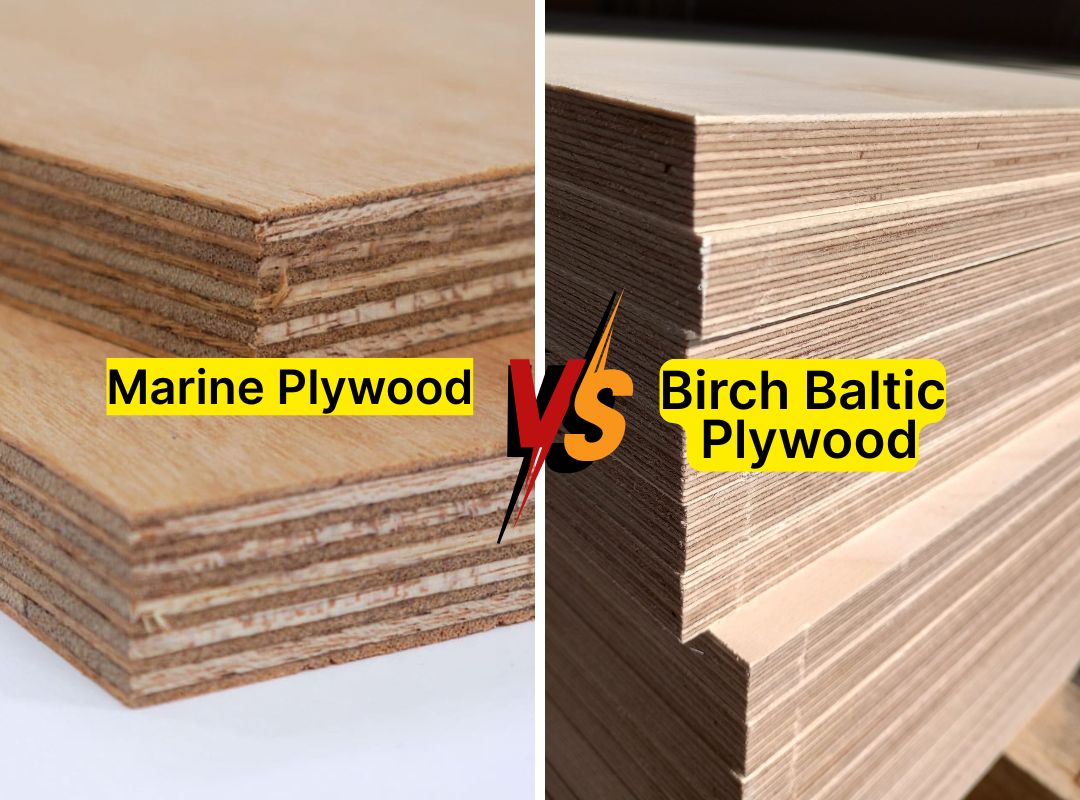
Coastal environments present one of the most challenging conditions for wood-based furniture. High humidity, airborne salt, and fluctuating temperature patterns can cause swelling, warping, delamination, and premature deterioration especially for indoor furniture placed near open windows or outdoor furniture exposed to breezy ocean climates. As the demand for coastal homes, beach rentals, and seaside cafés continues to grow, furniture makers increasingly look toward engineered wood products that balance durability, stability, appearance, and cost.
Among the many plywood options available, marine plywood and Baltic birch plywood stand out as two of the most commonly considered materials for coastal furniture. While both offer strong structural performance, their behavior in humid and salt-laden conditions differs considerably. Some designers prefer Baltic birch for its exceptional strength, fine appearance, and consistent veneer structure. Others argue that marine plywood’s waterproof bonding, minimal core gaps, and resilience make it the superior choice for coastal environments.
This article provides a detailed, journalism-style comparison between marine plywood and Baltic birch plywood for furniture used near the coast. It examines durability, construction, moisture behavior, finishing considerations, and real-world performance to help buyers and manufacturers make informed decisions.
Coastal environments pressent pne of the most challenging conditions for wood-based furniture. High humidity,, airbone salt and fluctuating temperature patterns can cause swelling, warping, delamination, and premature deterioration especially for indoor furniture placed near open windows or outdoor furniture exposed to breezy ocean climates. As he demand
1. Understanding Marine Plywood
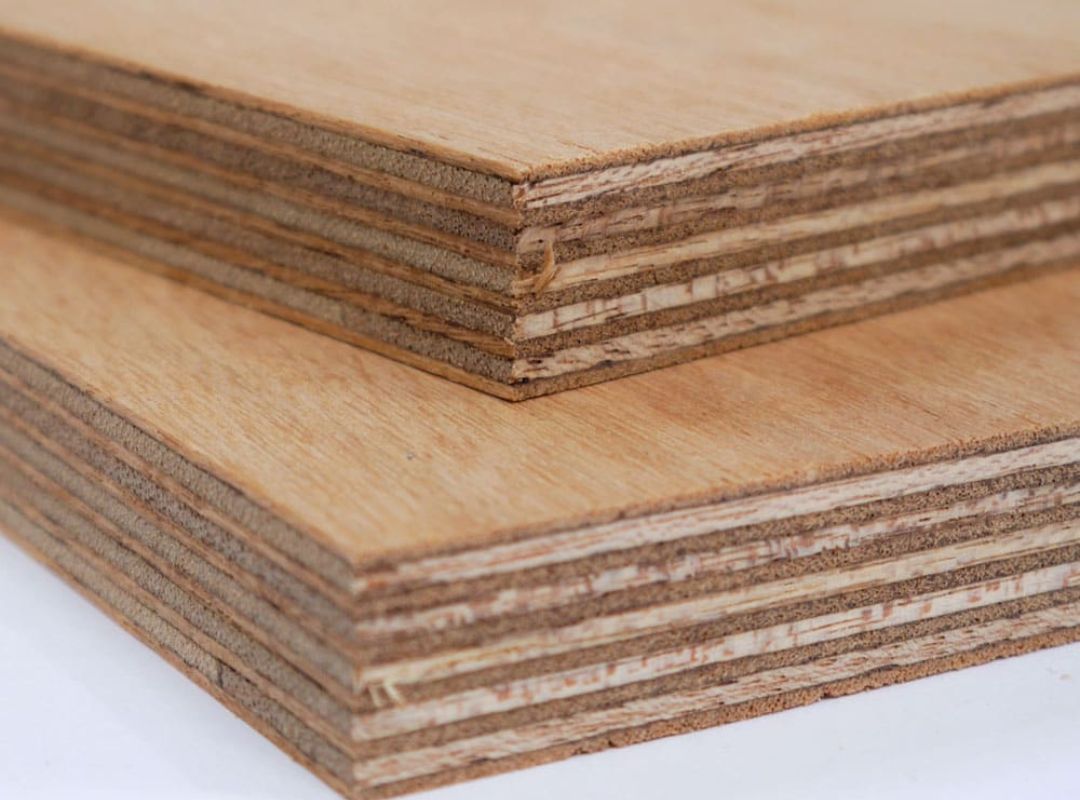
Marine plywood is engineered specifically to withstand wet, humid, and high-moisture environments. It is not simply “water-resistant plywood” it follows strict construction criteria that make it suitable for boat-building, docks, outdoor cabinetry, and wet-area construction.
Composition and Standards
Marine plywood features:
- Waterproof phenolic resin adhesive (often WBP – Weather and Boil Proof)
- High-grade veneers with minimal or zero core voids
- Enhanced bonding pressure and strict veneer alignment
- Strong resistance to fungi and rot, depending on species
While marine plywood is not immune to moisture damage, it performs significantly better than standard exterior plywood in humid or wet environments. This strength comes from both its waterproof glue and the absence of internal gaps where water can seep in and cause delamination.
Why It Is Popular Near the Coast
Furniture makers prefer marine plywood for:
- High humidity tolerance
- Reduced risk of swelling or edge bubbling
- Better resistance to salt-laden air
- Strong screw-holding ability even after exposure
For furniture near the ocean especially outdoor benches, kitchen units in open-air homes, and storage pieces close to sea breezes marine plywood is often considered the safer choice.
2. Understanding Baltic Birch Plywood
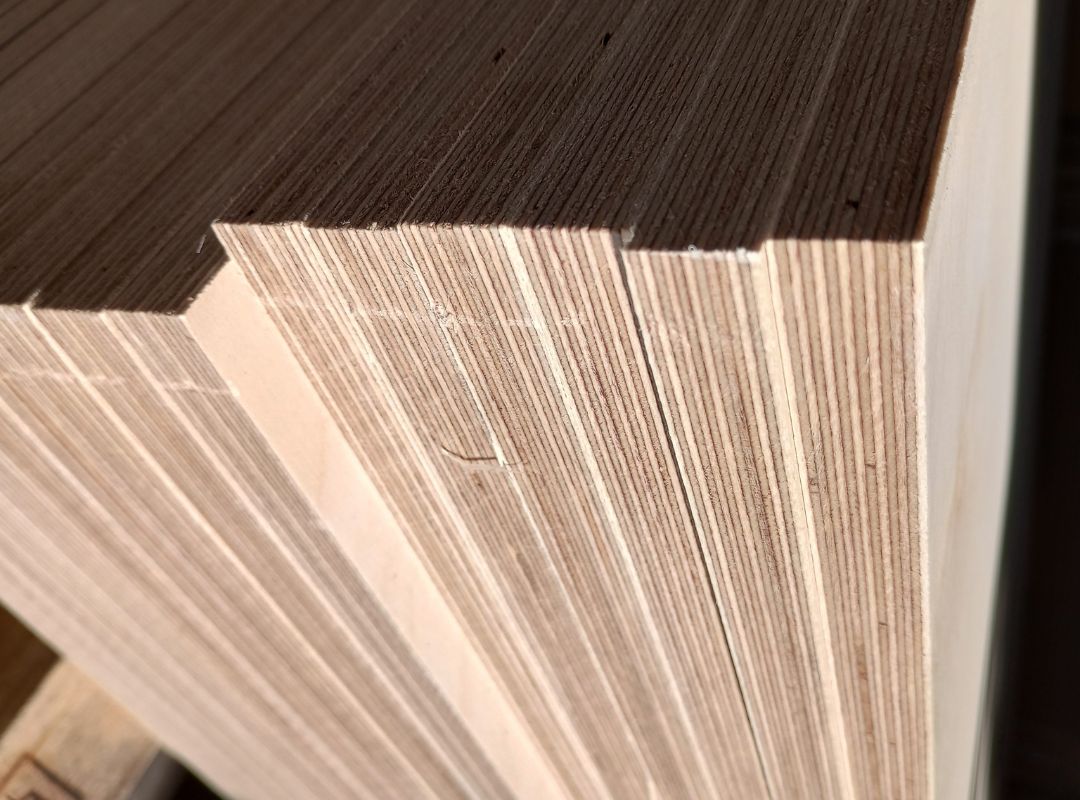
Baltic birch plywood is known globally for its exceptional structural consistency, strength, and aesthetic appeal. Sourced primarily from northern Europe, it features a uniform all-birch core with many thin plies, resulting in high density and superior dimensional stability.
Composition and Features
Baltic birch is recognized for:
- A multi-ply core with evenly layered birch veneers
- Tight thickness tolerances and exceptional flatness
- Superior screw-holding strength
- Attractive exposed edges, ideal for modern furniture
- High stiffness and mechanical performance
Because of its clean, refined appearance, Baltic birch is often chosen for premium indoor furniture, cabinetry, drawer boxes, and architectural projects.
Where It Performs Well
Baltic birch excels in:
- Furniture requiring strength and precise joinery
- Fine interior carpentry
- Decorative plywood projects with exposed edges
- High-end furniture lines
However, its performance in coastal humidity varies depending on manufacturing quality, surface treatment, and the finish applied.
3. How Marine Plywood and Baltic Birch React to Moisture
Coastal environments expose furniture to repetitive cycles of moisture absorption and evaporation, and the way each plywood type responds directly influences long-term durability. Marine plywood is specifically engineered to limit moisture infiltration; its waterproof adhesive system protects against internal delamination, while its void-free core prevents water from settling inside the panel. Even when the surface takes on some humidity, the internal layers remain stable.
Baltic birch plywood behaves very differently. Although it is mechanically stronger, it is not inherently resistant to moisture. Many variants use interior-grade bonding, causing edges to absorb moisture quickly if left unsealed. This can lead to swelling, veneer separation, or distortion when exposed to coastal humidity. Only Baltic birch with verified exterior bonding and complete sealing performs acceptably in such conditions.
To illustrate the difference more clearly, the table below summarizes how each material reacts to moisture in coastal climates:
Moisture Behavior Comparison
| Aspect | Marine Plywood | Baltic Birch Plywood |
|---|---|---|
| Adhesive System | Waterproof (WBP), designed for wet environments | Often interior-grade unless specified |
| Internal Core | Minimal to no voids; resists moisture pockets | Multi-ply core may absorb moisture through edges |
| Behavior in High Humidity | Remains dimensionally stable | Prone to swelling or delamination if unsealed |
| Salt Air Resistance | Strong resistance due to adhesive and density | Lower resistance without full finishing |
4. Strength and Stability: Which One Is Better for Furniture?
Strength is an important factor for furniture that is used frequently, particularly in coastal cafés, beach resorts, and semi-outdoor seating areas where structural reliability is essential. Marine plywood provides solid strength and dependable performance, supported by its high-quality veneers and weather-resistant bonding. However, because its plies are generally thicker and fewer in number, its stiffness is not as high as that of Baltic birch.
Baltic birch is recognized for superior uniformity and structural precision. A typical 3/4-inch panel contains a large number of thin birch layers, creating a dense, rigid core that resists bending and holds screws exceptionally well. This multi-ply construction also helps the panel stay flat under load, making Baltic birch a preferred choice for indoor or semi-protected coastal furniture where both strength and visual refinement are valued.
That said, structural strength is rarely the deciding factor in open-air or high-humidity locations. In these environments, moisture resistance becomes far more important than stiffness alone. Even though Baltic birch is mechanically stronger, marine plywood often performs better overall in coastal settings because it remains stable when exposed to humidity and salt-laden air conditions that can easily compromise unprotected Baltic birch.
5. Aesthetics and Furniture Design Considerations
Marine plywood is typically used for functional rather than decorative purposes. Its face veneers are often lower grade unless specified, and edges are less visually appealing. Designers usually apply paint or laminate over marine plywood rather than showcasing the wood itself.
Baltic birch, however, is prized for its:
- Clean blonde color
- Tight grain
- Attractive layered edges
- Smooth finish compatible with clear coats
This gives Baltic birch a modern Scandinavian look that is popular in premium furniture.
For coastal indoor furniture where aesthetics are prioritized and humidity is manageable Baltic birch can be an excellent choice when properly sealed.
6. Finishing and Protection Requirements
Finishing plays a major role in determining plywood performance near the coast.
Marine Plywood Finishing
If left uncoated, marine plywood still resists moisture better than Baltic birch, but applying:
- Marine-grade varnish
- Epoxy sealing
- UV-resistant coatings
can drastically extend service life.
Baltic Birch Finishing
Baltic birch must be thoroughly protected to survive coastal humidity:
- Seal edges with epoxy or polyurethane
- Apply multiple layers of exterior-grade coating
- Avoid leaving exposed end grain
Its finishing process requires more care, time, and ongoing maintenance compared to marine plywood.
7. Cost Comparison
Marine plywood is usually more expensive due to its construction and certification. Baltic birch also carries a premium price because of its high density, uniform veneers, and import cost.
However, the type that offers the best value depends on:
- Exposure level
- Type of furniture
- Lifespan expectations
- Aesthetic priorities
For long-term outdoor coastal use, marine plywood generally delivers better value due to durability. For high-end indoor coastal furniture, Baltic birch’s appearance may justify the cost.
8. Which One Should You Choose for Coastal Furniture?
Choosing between marine plywood and Baltic birch ultimately depends on how much moisture exposure the furniture will face and whether appearance or durability is the priority. Marine plywood consistently performs better in outdoor or semi-outdoor environments, where humidity, salt air, and coastal weather fluctuations are common. Its structural stability under moisture makes it a dependable choice for balconies, seaside cafés, beach resorts, patios, and open-air kitchens.
Baltic birch plywood, meanwhile, is better suited for indoor coastal furniture where humidity levels are controlled and aesthetic expectations are higher. Its clean grain and layered edge profile make it ideal for modern interior pieces, provided all surfaces and edges are thoroughly sealed to prevent moisture absorption.
The comparison table below offers a concise view of the preferred application for each material:
Application Recommendation
| Furniture Location | Recommended Material | Reason |
|---|---|---|
| Outdoor or semi-outdoor coastal areas | Marine Plywood | Superior moisture and salt resistance |
| Indoor coastal spaces | Baltic Birch Plywood | Higher aesthetic quality and precision finish |
| High-humidity interiors (near open windows) | Marine Plywood | Better protection against swelling |
| Decorative indoor pieces | Baltic Birch Plywood | Visual appeal and clean finishing |
Conclusion
Marine plywood and Baltic birch each offer strengths, but they are engineered for very different conditions. Marine plywood excels in moisture-heavy, weather-exposed coastal environments thanks to its waterproof adhesive and void-free construction. Baltic birch provides superior strength, stability, and visual appeal for interior furniture near the coast, as long as humidity exposure is minimized and sealing is done correctly.
For furniture makers, homeowners, and coastal designers, understanding these differences helps ensure long-term durability and aesthetic performance. In regions where humidity and salt exposure dominate daily conditions, selecting the right plywood is crucial not only for longevity, but also for safety and maintenance efficiency.
If you are unsure whether marine plywood or Baltic birch is best for your coastal furniture project, our team can help evaluate your environmental conditions, usage requirements, and design goals. Contact us for technical guidance, sample specifications, and expert recommendations tailored to coastal applications.
📞Hotline/WhatsApp/Line/Kakao: +84 32 694 2288
📧Email: info@ttplywood.com
🌐Website: https://ttplywood.com/
FAQ
1. Is Baltic birch suitable for outdoor coastal furniture?
Baltic birch can be used outdoors only if heavily sealed, but marine plywood is generally more reliable for open-air coastal environments.
2. Does marine plywood resist salt air better than Baltic birch?
Yes. Marine plywood’s waterproof bonding and minimal internal gaps make it far more resistant to salt and humidity exposure.
3. Which plywood lasts longer near the coast?
Marine plywood typically outperforms Baltic birch in durability unless the latter receives extensive finishing and protection.
References
Forest Products Laboratory (2023). Wood as an Engineering Material: Moisture and Durability in Coastal Environments. U.S. Department of Agriculture.
European Timber Association (2024). Plywood Performance Standards and Moisture Resistance. Brussels: ETA Reports.
APA – The Engineered Wood Association (2022). Marine Plywood and Moisture-Resistant Engineered Wood Products. APA Publications.
Tags :
Baltic Birch Plywood
EXPORT PLYWOOD
Marine plywood
PLYWOODVIETNAM
TT PLYWOOD
Vietnamese plywood


