



-
-
-
Total payment:
-




Moisture Content in Plywood: Why It Matters
Posted by Thanh Uyên at 30/03/2026

Introduction: The Invisible Factor Behind Real Plywood Quality
In global plywood sourcing especially for demanding markets like Europe and the United States buyers often focus on visible specifications such as face veneer grade, thickness tolerance, or certifications.
However, one of the most critical yet underestimated factors is moisture content (MC).
Moisture content directly influences how plywood performs after delivery not just how it looks at the factory. Two panels may appear identical but behave completely differently in real applications due to differences in moisture control.
At TT Plywood, moisture control is treated as a fundamental part of quality, not just a technical detail.
What Is Moisture Content in Plywood?
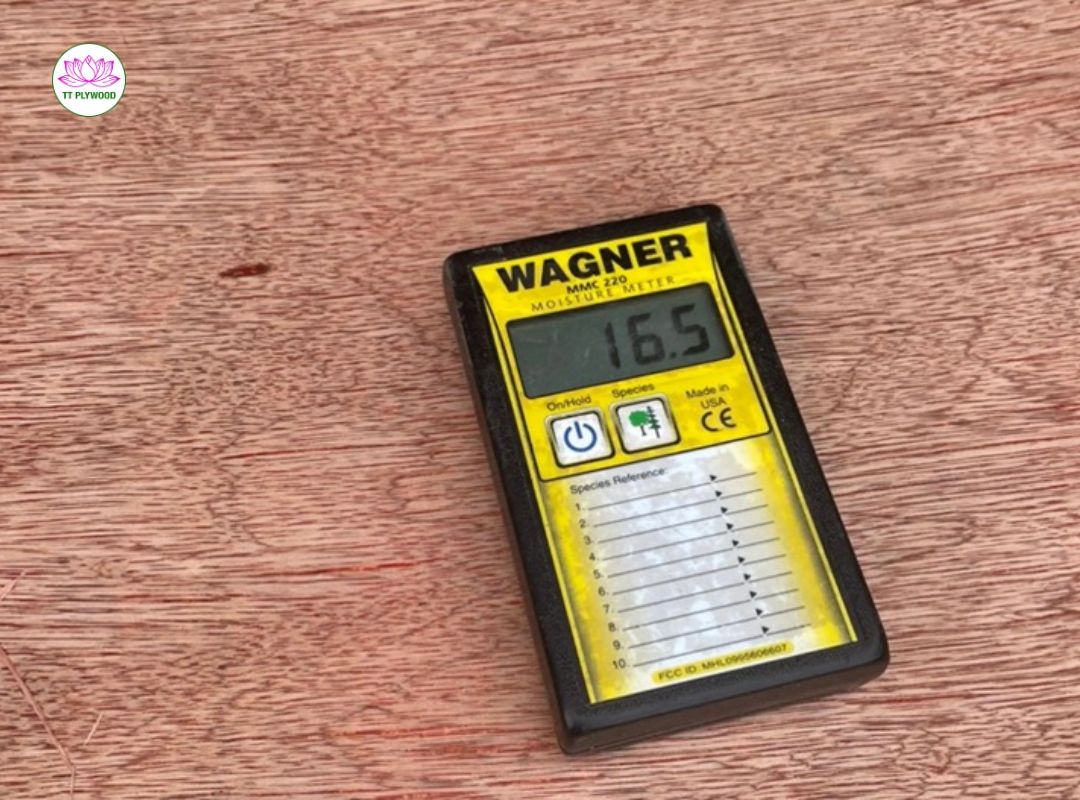
Moisture content refers to the amount of water present in wood compared to its dry weight. Because wood is a hygroscopic material, it constantly absorbs and releases moisture depending on environmental conditions.
For export-grade plywood, the standard moisture range is:
- 8% – 12% → optimal balance for stability and bonding
- Below 6% → risk of brittleness and internal stress
- Above 14% → risk of swelling, delamination, and mold
European buyers often require tighter control, typically around 8–10%, due to stricter expectations in furniture and interior applications.
Why Moisture Content Directly Impacts Performance
Dimensional Stability
Plywood is engineered to be more stable than solid wood, but this stability depends heavily on controlled moisture content.
When moisture is too high, panels expand after production, especially in humid environments. This leads to edge swelling, warping, and difficulty during installation. On the other hand, when moisture is too low, panels may shrink, creating gaps, internal stress, or even cracking.
In precision industries such as cabinetry or CNC machining, even slight dimensional changes can result in production errors and increased waste.
Bonding Strength and Glue Performance
Adhesive systems used in plywood whether phenolic, melamine, or UF are highly sensitive to moisture levels in veneers.
When moisture is not properly controlled, the following issues may occur:
- Inconsistent glue penetration
- Weak bonding lines
- Increased risk of delamination
This becomes especially critical for plywood tested under EN 314, where bonding strength must withstand moisture exposure.
In real-world applications, poor bonding caused by incorrect moisture content often leads to early product failure, even if the panel initially looks acceptable.
Surface Quality and Finishing
Moisture content also affects how plywood behaves during sanding, coating, and lamination processes.
If the moisture level is too high, surfaces may become uneven after sanding, and coatings may not adhere properly. In film faced plywood, excessive moisture can cause bubbles or reduce the durability of the phenolic film.
For high-grade products such as birch plywood, consistent moisture control is essential to achieve uniform surface quality and reliable machining performance.
Resistance to Mold and Biological Damage
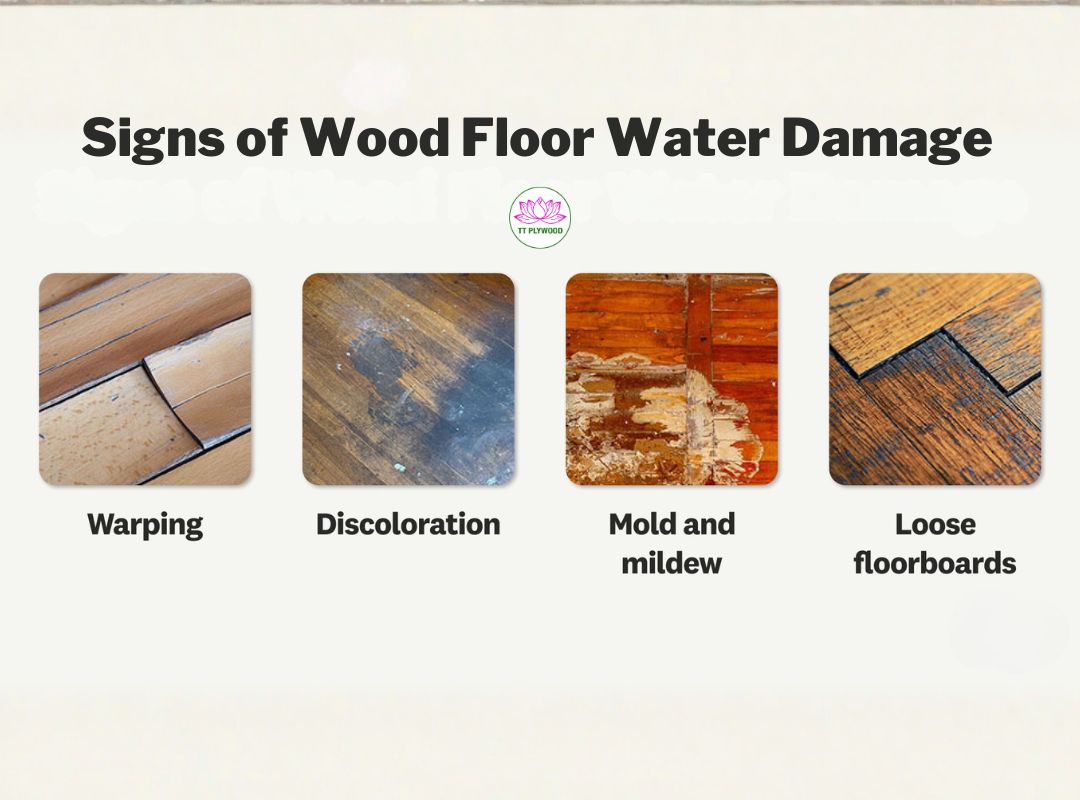
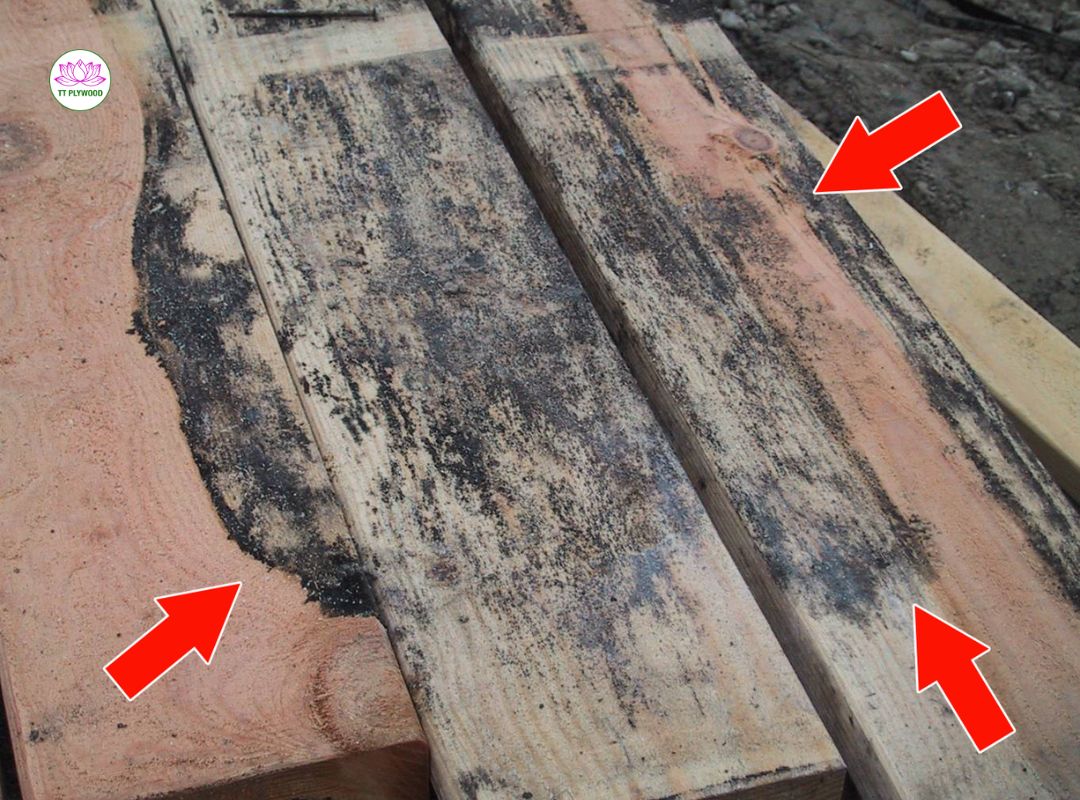
Excess moisture creates an ideal environment for mold and fungal growth. This is particularly risky during long-distance shipping.
Common problems associated with high moisture include:
- Mold development during transit
- Fungal degradation in storage
- Rejection of goods upon arrival
These risks are especially relevant for shipments to Europe, where transit times are long and environmental conditions can vary significantly.
Moisture Control in Manufacturing
Effective moisture control is not a single step but a system integrated throughout the production process.
At TT Plywood, this system includes:
- Controlled veneer drying to achieve target moisture levels
- Continuous monitoring using moisture measurement tools
- Optimized hot pressing conditions for stable bonding
- Conditioning panels before final sanding and packaging
By maintaining strict control at every stage, manufacturers can ensure consistent moisture levels across all panels.
Moisture Content and International Shipping
Maintaining stable moisture content during shipping is one of the biggest challenges in plywood export.
During transit, plywood is exposed to:
- Temperature fluctuations
- Changes in humidity
- Container condensation
These factors can alter the moisture balance within the panels if not properly managed.
To reduce these risks, exporters implement protective measures such as moisture-resistant packaging, proper palletization, and controlled container loading.
For buyers, it is important to consider moisture content not only at the production stage but also throughout the logistics process.
Climate Differences and Their Impact
Plywood is often transported across regions with very different climates, which can affect its performance after installation.
In Europe, seasonal humidity changes and indoor heating systems can reduce moisture levels, potentially causing shrinkage. In more humid regions, plywood may absorb moisture and expand.
In dry climates such as the Middle East, overly dry panels may become brittle and prone to cracking.
Understanding the destination climate allows buyers to select plywood with appropriate moisture specifications, reducing the risk of performance issues.
How Buyers Can Evaluate Moisture Content
Although moisture content is not visible, it can be verified through practical methods.
Buyers can:
- Request moisture test reports from suppliers
- Review quality control procedures and inspection records
- Use handheld moisture meters upon arrival
- Check consistency across multiple sheets
It is important to focus not only on average values but also on consistency across the entire shipment.
Moisture Content as a Reflection of Supplier Reliability
Moisture control is closely linked to overall manufacturing quality. It reflects how well a factory manages its processes, materials, and quality control systems.
Suppliers who consistently maintain proper moisture levels are more likely to deliver stable, reliable products. In contrast, inconsistent moisture control often indicates deeper production issues that can affect long-term performance.
For buyers, evaluating moisture control practices can provide valuable insight into a supplier’s reliability.
Conclusion: Moisture Content Defines Real Plywood Quality
Moisture content is one of the most critical factors in plywood performance, even though it is not visible on the surface. It affects dimensional stability, bonding strength, surface quality, and durability during shipping.
For professional buyers in Europe and the United States, understanding moisture content is essential for reducing risk and ensuring consistent results.
At TT Plywood, moisture control is integrated into every stage of production and export, ensuring that each panel performs reliably in real-world applications.
For more details on available specifications and product options, visit https://ttplywood.com/all-products or contact the team for technical consultation and samples.
References
Forest Products Laboratory. (2010). Wood Handbook: Wood as an Engineering Material.
European Committee for Standardization. (2013). EN 314.
APA – The Engineered Wood Association. (2020). Plywood Design and Specification Guide.


