



-
-
-
Total payment:
-




1/2 Sanded Plywood: Why It’s Popular for Cabinets and Interior Projects
Posted by Thanh Uyên at 16/03/2026


In interior construction and furniture manufacturing, selecting the right plywood type is essential for achieving both structural strength and visual quality. Among the many plywood options available in the market, 1/2 inch sanded plywood has become a widely used material for cabinetry, shelving, wall panels, and interior woodworking projects.
Builders and furniture manufacturers often choose this material because it offers a balanced combination of smooth surface quality, dimensional stability, and ease of machining. Unlike rough construction-grade plywood used in structural applications, sanded plywood is manufactured with higher-grade face veneers and processed through a sanding stage to create a consistent and smooth surface suitable for finishing.
For manufacturers and buyers interested in engineered wood panels used in furniture and interior construction, a broader range of plywood products can be explored through the TT Plywood product portfolio, which includes plywood materials suitable for cabinetry, interior construction, and industrial manufacturing.
Because of its versatility and clean surface appearance, 1/2 sanded plywood has become a preferred material for cabinet makers, carpenters, and interior designers seeking a reliable wood panel solution.
Understanding 1/2 Sanded Plywood
What Is Sanded Plywood?
Sanded plywood is a type of plywood panel that has been processed with additional sanding during production to improve surface quality. This process removes minor imperfections and produces a smoother, more uniform finish.
Compared with construction-grade plywood used for structural applications such as roof sheathing or wall framing, sanded plywood typically uses higher-quality face veneers. These veneers provide a more consistent grain appearance, making the panels suitable for visible interior applications.
Because of its smooth surface, sanded plywood can easily accept finishing treatments such as paint, stain, laminate, or decorative veneer overlays. This makes it particularly useful in projects where both structural performance and aesthetic quality are important.
What Does “1/2 Inch Plywood” Mean?
In North American woodworking and construction industries, plywood thickness is commonly measured using the imperial system. 1/2 inch plywood refers to panels with a nominal thickness of approximately half an inch.
When converted to metric units, this corresponds to roughly 12 millimeters.
However, the actual thickness of plywood panels may be slightly less than the nominal value due to sanding and finishing processes applied during manufacturing.
This moderate thickness makes 1/2 inch plywood suitable for many interior applications where structural strength is required but heavy structural loads are not present.
Why 1/2 Sanded Plywood Is Popular for Cabinets
Smooth Surface Quality
One of the main reasons 1/2 inch sanded plywood is widely used in cabinet manufacturing is its smooth and consistent surface.
Cabinet components such as doors, panels, drawer fronts, and decorative surfaces often require finishing treatments like paint or stain. A smooth plywood surface allows these finishes to be applied evenly, producing a professional and visually appealing result.
Because the panel surface requires less preparation work, cabinet makers can reduce sanding time and improve production efficiency.
Balanced Strength and Weight
Cabinet structures require materials that are strong enough to support daily use while remaining manageable during manufacturing and installation.
1/2 inch sanded plywood provides a balanced combination of strength and weight. It is thick enough to provide structural support for many cabinet components while remaining lightweight compared with thicker panels such as 3/4 inch plywood.
This balance makes it especially suitable for cabinet backs, drawer bottoms, interior panels, and decorative surfaces.
Excellent Workability
Another advantage of sanded plywood is its excellent machinability. Woodworkers frequently cut, drill, route, and shape plywood panels during furniture manufacturing.
The consistent veneer structure of sanded plywood helps reduce splintering and allows for cleaner cuts. This makes the material easier to work with using standard woodworking tools and CNC machinery.
Because of this, professional woodworkers often prefer sanded plywood for projects that require precise machining and finishing.
Applications of 1/2 Sanded Plywood in Interior Projects
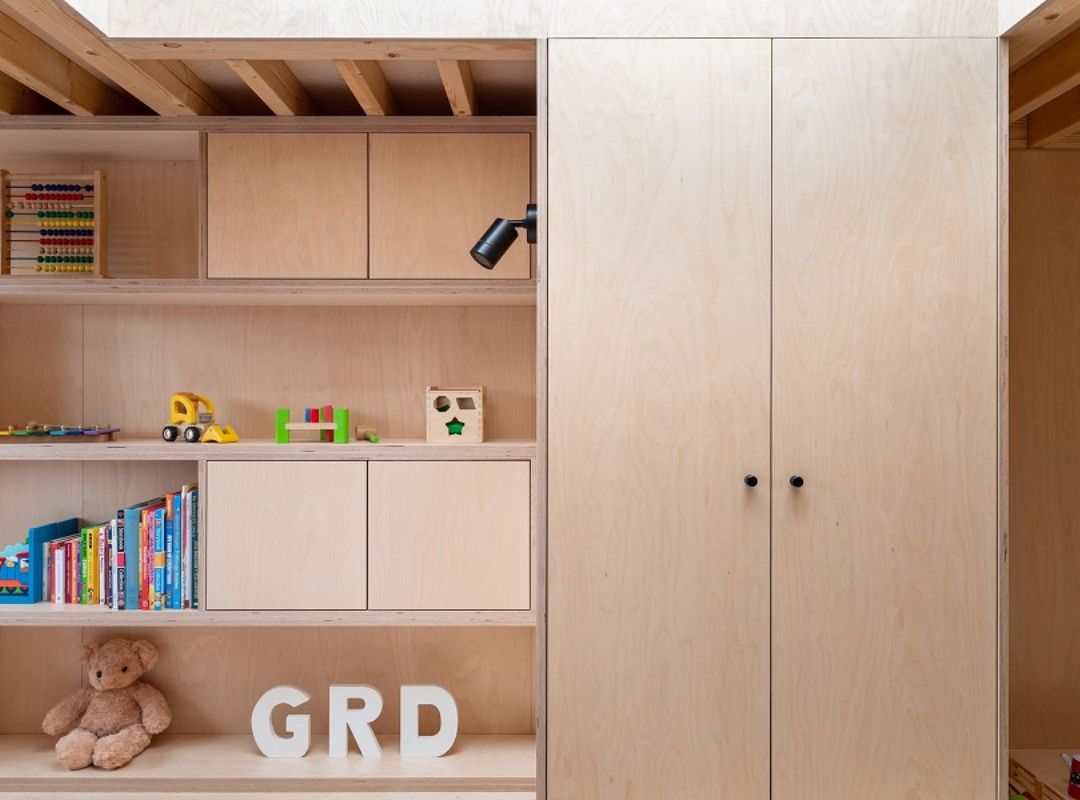
Cabinet Manufacturing
Kitchen cabinets, bathroom cabinets, and storage systems commonly use sanded plywood panels in various structural and decorative components.
Because of its smooth surface and stable structure, the material is well suited for cabinetry where appearance and durability are both important.
Interior Shelving Systems
Shelving units in residential and commercial interiors often rely on plywood panels for structural support.
Sanded plywood provides sufficient strength for many shelving applications while maintaining a clean appearance that can easily be finished to match interior design styles.
Decorative Wall Panels
Modern interior design increasingly incorporates wood-based wall panels to create architectural features.
Sanded plywood panels can be painted, stained, or laminated to produce a wide variety of visual effects. Their smooth surface makes them suitable for decorative interior applications.
Furniture Manufacturing
Furniture manufacturers frequently use sanded plywood when producing wardrobes, desks, bookcases, and other interior furniture items.
The material offers a reliable balance between structural stability and finishing quality, making it a practical option for mass production.
Advantages of 1/2 Sanded Plywood
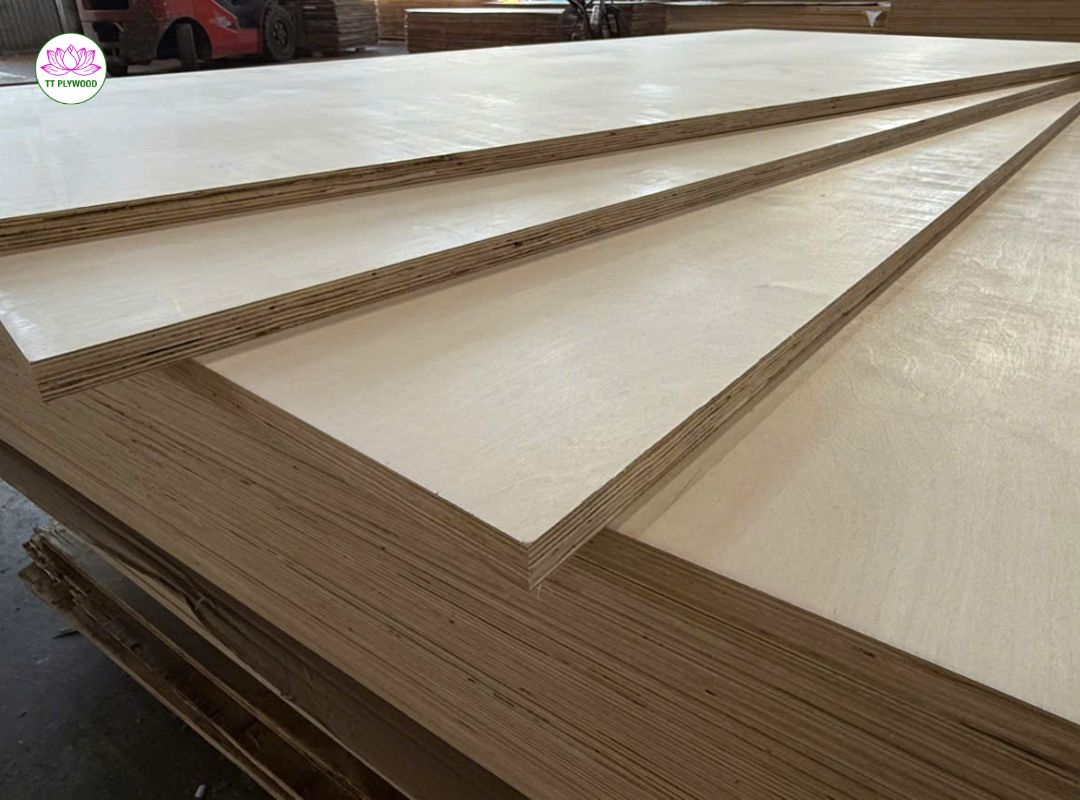
Consistent Surface Finish
The sanding process creates a smooth and uniform surface that is ideal for finishing applications such as painting or veneering.
This reduces preparation time during manufacturing and improves the quality of the final product.
Dimensional Stability
Plywood panels are constructed using cross-laminated veneers, which improve dimensional stability. This means the panels are less likely to warp, crack, or shrink compared with solid wood boards.
This stability is particularly important for cabinetry and furniture that must maintain precise dimensions over time.
Versatility
Because of its moderate thickness and smooth surface, 1/2 inch sanded plywood can be used in a wide range of interior woodworking projects.
Its versatility makes it one of the most commonly used plywood thicknesses in furniture and cabinetry production.
Limitations of 1/2 Sanded Plywood
Although 1/2 inch sanded plywood offers many advantages, it may not be suitable for every application.
For projects that require higher structural strength, thicker panels such as 3/4 inch plywood may be preferred.
Additionally, sanded plywood is typically intended for interior applications. For outdoor environments or high moisture exposure, specialized plywood types such as marine plywood or exterior-grade plywood are generally recommended.
Sustainability Considerations
Environmental sustainability has become an important factor in modern construction and manufacturing industries.
Plywood is often considered an environmentally responsible material because it is produced from renewable wood resources. Compared with solid wood boards, plywood manufacturing can use wood more efficiently by utilizing thin veneers.
When sourced from responsibly managed forests, plywood products can contribute to sustainable building practices.
Certification systems such as FSC (Forest Stewardship Council) help ensure that wood products originate from forests managed according to environmental and social sustainability standards.
Frequently Asked Questions
What is 1/2 sanded plywood used for?
1/2 inch sanded plywood is commonly used for cabinets, shelving, furniture manufacturing, interior wall panels, and decorative woodworking projects.
Is sanded plywood good for cabinets?
Yes. Many cabinet manufacturers use sanded plywood because its smooth surface allows for high-quality finishing and its structure provides sufficient strength for many cabinet components.
Can 1/2 inch sanded plywood support shelves?
For light to moderate loads, 1/2 inch plywood can be used for shelving. However, thicker panels may be preferred for shelves that must support heavier weight.
Is sanded plywood suitable for outdoor use?
Sanded plywood is primarily designed for interior applications. For outdoor environments, exterior-grade or marine plywood is usually recommended.
Conclusion
1/2 inch sanded plywood has become a popular material in cabinetry and interior woodworking because of its smooth surface, reliable structure, and ease of machining.
For cabinet makers, furniture manufacturers, and interior designers, this plywood thickness provides a practical balance between appearance and functionality.
Understanding the characteristics and appropriate applications of sanded plywood can help builders and manufacturers select the most suitable material for their projects.
When used in appropriate conditions, 1/2 sanded plywood offers a versatile and efficient solution for many interior woodworking applications.
References
Forest Products Laboratory. (2021). Wood Handbook: Wood as an Engineering Material. USDA Forest Service.
American Plywood Association. (2022). Engineered Wood Construction Guide.
Food and Agriculture Organization. (2022). Global Forest Products Statistics.


