



-
-
-
Total payment:
-




Hardwood Core Plywood vs Veneer Core: How Structure Impacts Performance and Cost
Posted by Thanh Uyên at 27/03/2026

Introduction: From Grades to Core And What Comes Next
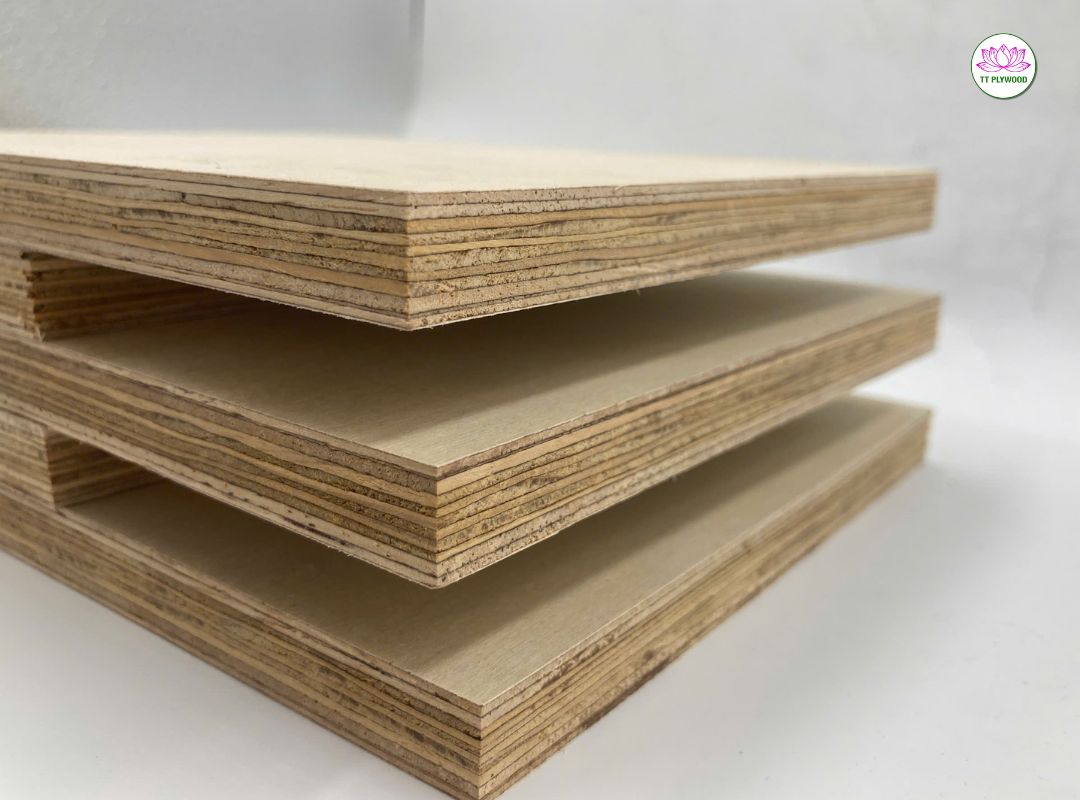
For most plywood buyers, the evaluation process often begins with visible characteristics such as surface grading. Understanding classifications like AA, A, B, and C is an essential first step, as explained in this hardwood plywood grades guide .
From there, buyers typically move on to comparing core materials. The differences between hardwood and softwood cores including strength, density, and cost are explored in this hardwood vs softwood core plywood comparison.
However, for professional buyers working in global markets, these two perspectives are not enough. The next level of evaluation focuses on something less visible but far more critical: internal structure.
This is where the distinction between hardwood core plywood and hardwood plywood veneer core construction becomes important. While these terms are often used interchangeably, they represent different aspects of how plywood is built and ultimately how it performs.
Understanding Hardwood Core Plywood in Real Applications
Hardwood core plywood refers to panels where the internal layers are made primarily from hardwood veneers such as eucalyptus, acacia, or mixed tropical hardwood species.
The purpose of using hardwood in the core is to achieve a balance between strength, availability, and cost efficiency. Compared to softwood cores, hardwood cores generally offer higher density and improved load-bearing capacity.
In practical applications, hardwood core plywood is commonly used for:
- Furniture manufacturing
- Interior construction
- Packaging and industrial use
Because hardwood materials are widely available in regions such as Southeast Asia, this type of plywood is often used in export-oriented production.
However, it is important to understand that not all hardwood core plywood performs the same. The actual performance depends not only on the material itself, but also on how the panel is structured.
What is Hardwood Plywood Veneer Core Construction
While “hardwood core” refers to the type of material, hardwood plywood veneer core refers to the structural method used to build the panel.
A veneer core structure is created by stacking multiple thin wood veneers in alternating grain directions. This cross-layering technique improves stability and distributes stress more evenly across the panel.
Compared to other core types, veneer core construction provides:
- More uniform internal structure
- Better resistance to warping
- Improved screw-holding capability
- More predictable machining performance
This is why veneer core plywood is often preferred in applications where precision and consistency are required, such as cabinetry and furniture production.
Hardwood Core vs Veneer Core: The Real Difference
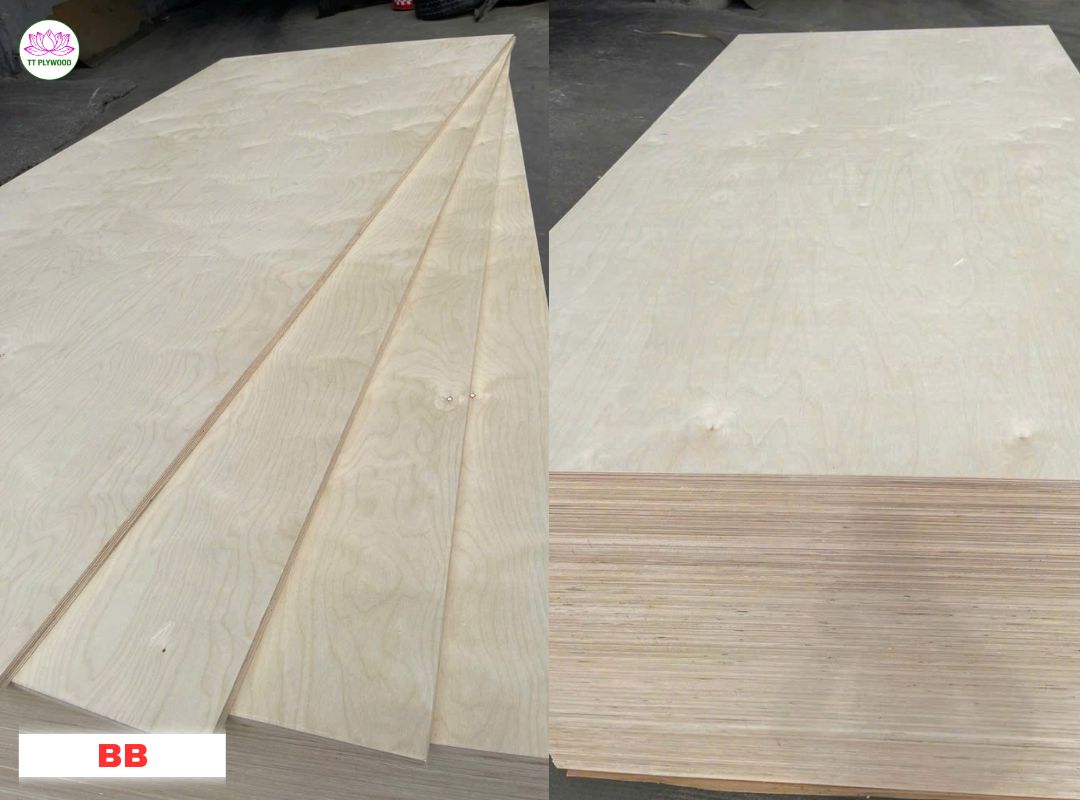
Although the two terms are closely related, they describe different aspects of plywood.
Hardwood core focuses on the material composition, while veneer core focuses on the structural design.
In real-world sourcing, this difference leads to several important implications.
A panel may be labeled as hardwood core plywood, but if the veneer layers are inconsistent, poorly arranged, or bonded with weak adhesive, the overall performance may still be compromised.
On the other hand, a well-constructed hardwood plywood veneer core panel with consistent layering and proper bonding can deliver stable performance even under demanding conditions.
This is why experienced buyers look beyond material labels and focus on structure.
How Structure Affects Performance
The internal structure of plywood directly influences how it behaves during use.
Panels with well-balanced veneer core construction tend to offer better stability, especially when exposed to changes in humidity or temperature. The cross-layered structure helps reduce internal stress and minimizes deformation.
In contrast, panels with inconsistent layering or uneven veneer thickness may develop internal weaknesses. These weaknesses can lead to issues such as warping, cracking, or delamination over time.
Bonding quality is also closely related to structure. Even if the right adhesive is used, poor pressing conditions or uneven veneer surfaces can result in weak glue lines.
This is why standards such as EN 314 are often used to evaluate bonding strength, particularly for applications that involve moisture or repeated use.
Cost vs Performance: What Buyers Should Consider
One of the most common challenges in plywood sourcing is balancing cost and performance.
At first glance, hardwood core plywood may appear to offer a cost advantage compared to more specialized panels. However, if the internal structure is not properly controlled, the long-term cost may increase due to product failure or inconsistency.
From a buyer’s perspective, several factors should be considered:
- Consistency of veneer layers
- Quality of bonding and pressing process
- Suitability for the intended application
- Supplier reliability and production control
Choosing a slightly higher-priced panel with better structural consistency can often result in lower overall cost when considering durability and performance.
Application-Based Selection: When Structure Matters Most
The importance of structure becomes even more evident when evaluating different applications.
For furniture manufacturing, precision and surface stability are critical. In this case, veneer core construction with consistent layering provides better machining performance and finishing results.
For construction or industrial use, strength and durability become more important. Hardwood core plywood with proper bonding and controlled structure can provide reliable performance.
In environments with higher humidity, such as packaging or export conditions, both structure and bonding must be carefully evaluated to prevent long-term issues.
Connecting Structure to Real Supply Conditions
For buyers sourcing from Vietnam and other Asian markets, understanding how plywood is produced is essential.
Production methods, raw material sourcing, and quality control processes all influence the final structure of the panel. This is why it is useful to review how plywood is manufactured and supplied in practice.
A detailed overview can be found in this birch plywood in Vietnam guide, which provides insight into sourcing, veneer selection, and production systems used in export markets.
Common Mistakes Buyers Make
Despite increasing awareness, many buyers still overlook structural factors when sourcing plywood.
Common mistakes include:
- Focusing only on surface grade without evaluating internal structure
- Assuming all hardwood core plywood has the same performance
- Ignoring bonding standards and production consistency
- Selecting suppliers based solely on price
These issues often lead to problems that only become visible after the product is in use, making them difficult and costly to resolve.
Key Takeaways for Global Buyers
When evaluating plywood, it is important to move beyond basic classifications and consider how the panel is actually constructed.
Key points to remember:
- Hardwood core refers to material, while veneer core refers to structure
- Structure plays a critical role in stability, strength, and durability
- Bonding quality is closely linked to internal construction
- Consistency across production batches is essential
- Long-term performance is more important than short-term cost savings
Final Thoughts
In global plywood sourcing, understanding structure is the difference between basic purchasing and professional decision-making.
Surface grade and core material provide useful information, but they do not tell the full story. The real performance of plywood depends on how these elements are combined and controlled during production.
For buyers working in competitive markets, focusing on hardwood plywood veneer core structure is essential to ensure consistent quality, reduce risk, and achieve long-term success.
Frequently Asked Questions (FAQ)
What is the difference between hardwood core and veneer core plywood?
Hardwood core refers to the material used in the inner layers, while veneer core describes how those layers are structured and arranged.
Is hardwood core plywood always better than other types?
Not necessarily. Performance depends on structure, bonding quality, and production consistency, not just the material.
Why is veneer core structure important?
Because it improves stability, reduces warping, and ensures more consistent performance during use.
How can buyers verify plywood structure quality?
By reviewing technical specifications, inspecting samples, and evaluating supplier production processes.
Does better structure always mean higher cost?
Usually slightly higher, but it often results in better long-term value and reduced risk.
References
Forest Products Laboratory, 2010. Wood Handbook: Wood as an Engineering Material. USDA.
APA – The Engineered Wood Association, 2021. Plywood Design Guide.
European Committee for Standardization (CEN), 1993. EN 314 Bonding Standards.
European Committee for Standardization (CEN), 2004. EN 13986 Construction Panels Standard.


