



-
-
-
Total payment:
-




Melamine Plywood Explained: What It Is, How It’s Made, and Common Uses
Posted by Thanh Uyên at 19/12/2025

Melamine plywood is one of the most widely used panel materials in furniture manufacturing and interior fit-out projects. With a durable decorative surface bonded to a plywood core, melamine plywood offers a practical balance between appearance, strength, and production efficiency.
In today’s market, buyers often compare melamine plywood with melamine faced plywood, melamine board, or other laminated panels without fully understanding how these materials differ in structure, performance, and long-term reliability. This article explains what melamine plywood is, how it is manufactured, its technical specifications, and where it is commonly used helping buyers make informed sourcing decisions.
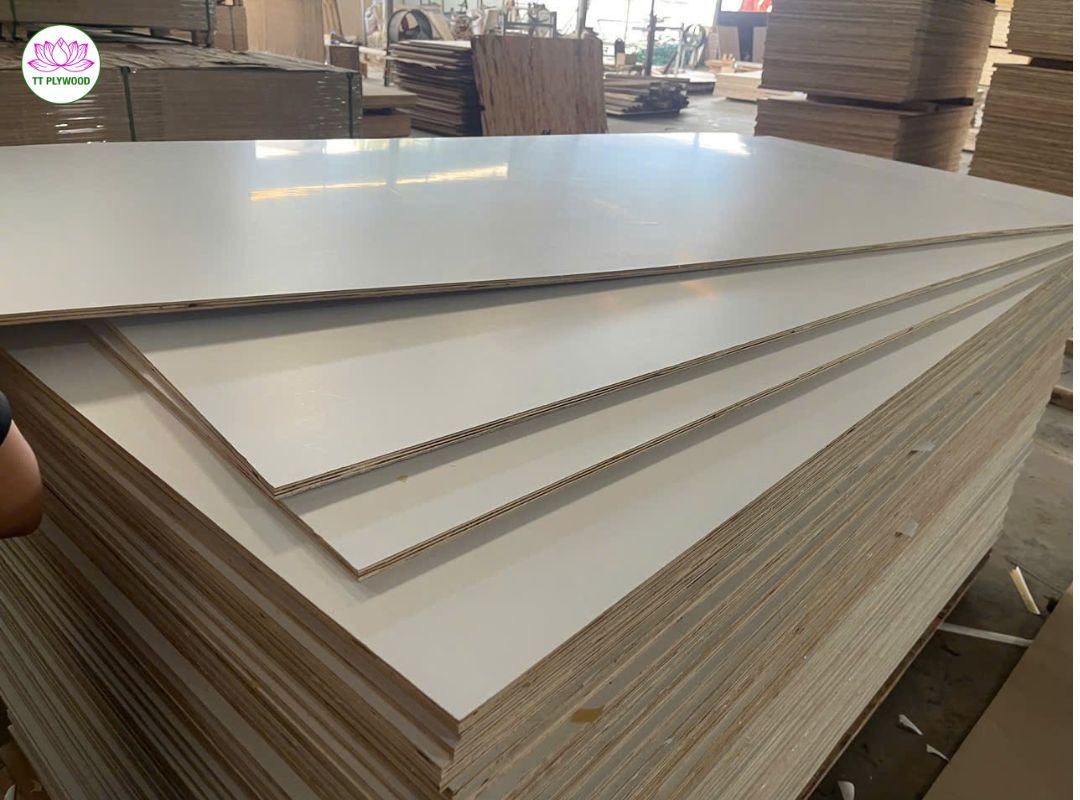
What Is Melamine Plywood?
Melamine plywood is a type of plywood panel surfaced with melamine-impregnated decorative paper that is bonded to both faces under heat and pressure. The core consists of multiple cross-laminated wood veneers, giving melamine plywood better structural stability than non-plywood panels.
In commercial usage, melamine plywood is often referred to as melamine faced plywood, emphasizing the melamine surface layer applied to the plywood core. Unlike raw plywood, melamine plywood sheets are delivered with a finished surface that does not require painting or laminating, reducing production time and finishing costs.
Melamine Plywood vs Melamine Board
A common confusion in the market is between melamine plywood and melamine board. While both products share a similar melamine decorative surface, their internal construction is fundamentally different.
Melamine board typically uses particleboard or MDF as the core material. In contrast, melamine plywood uses layered wood veneers, which provide improved screw-holding strength, higher load resistance, and better edge durability. For cabinets, shelving systems, and furniture frames, melamine plywood generally performs better over time than melamine board, especially in applications involving repeated fastening.
How Melamine Faced Plywood Is Made
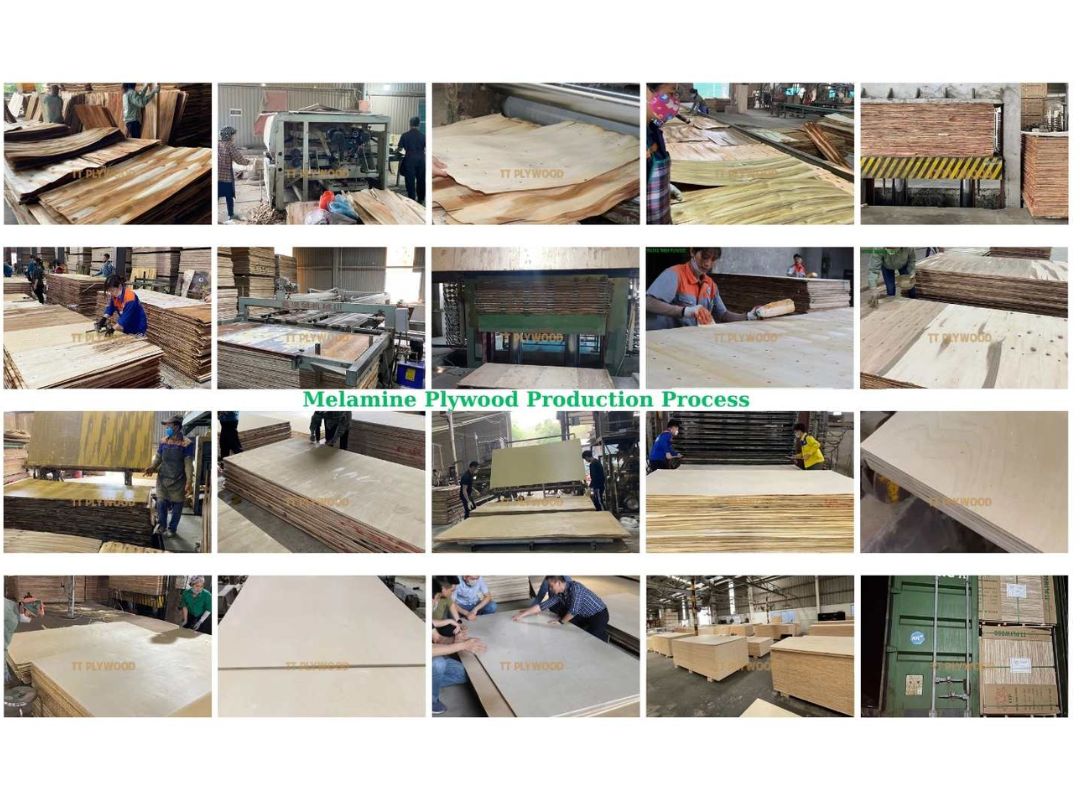
The production of melamine faced plywood begins with manufacturing high-quality plywood panels using selected hardwood or mixed-wood veneers. These veneers are bonded together using suitable adhesive systems to form stable plywood cores.
Once the core is prepared, melamine-impregnated decorative paper is applied to the surface. Under controlled heat and pressure, the resin cures to create a hard, wear-resistant finish. This process transforms standard plywood panels into melamine plywood sheets with consistent color, smooth texture, and improved surface durability.
Manufacturing control plays a critical role in final product quality. Poor pressing pressure, uneven glue distribution, or inconsistent veneer selection can lead to surface defects, bonding failure, or dimensional instability.
Technical Specifications of Melamine Plywood
Common Thickness & Panel Size
| Parameter | Typical Specification |
|---|---|
| Thickness options | 6mm, 9mm, 12mm, 15mm, 18mm, 25mm |
| Standard panel size | 1220 × 2440 mm (4’ × 8’) |
| Other sizes | Available upon request |
| Thickness tolerance | Consistent across panel for CNC accuracy |
Core Type & Veneer Construction
The core structure directly affects the strength and durability of melamine plywood. Common core options include full hardwood core, mixed hardwood core, or engineered veneer cores designed to balance cost and performance.
High-quality melamine plywood uses tightly bonded, uniform veneers with minimal internal voids. Poor core construction can reduce load capacity, weaken screw holding, and increase the risk of panel failure during use.
Surface Finish & Decorative Layer
| Feature | Specification |
|---|---|
| Surface material | Melamine-impregnated decorative paper |
| Finish options | Matte, semi-matte, textured |
| Common color | White melamine plywood |
| Surface performance | Scratch & stain resistant |
Bonding Strength & Adhesive System
The melamine surface is created using resin-impregnated decorative paper that is thermally bonded to the plywood core. Surface finish options typically include matte, semi-matte, or textured finishes, depending on design requirements.
White melamine plywood is especially sensitive to surface quality. Inconsistent pressing pressure or resin curing can result in color variation, surface waviness, or reduced abrasion resistance, which directly impacts furniture appearance and durability.
Moisture Content & Dimensional Stability
Moisture content is one of the most critical technical parameters of melamine plywood sheets, especially for furniture manufacturing and export markets. Improper moisture control can lead to warping, swelling, edge failure, and surface defects that only appear after delivery or installation.
Recommended Moisture Content Range
| Application | Recommended Moisture Content |
|---|---|
| Furniture & interior use | 8% – 12% |
| CNC machining components | 8% – 10% |
| Export to dry climates (EU, US inland) | 8% – 10% |
| Export to humid regions | 10% – 12% |
Melamine plywood sheets produced outside these ranges carry a higher risk of dimensional instability once exposed to new environmental conditions.
Formaldehyde Emission & Compliance
| Standard | Typical Requirement |
|---|---|
| Emission level | E0 / E1 |
| US compliance | CARB Phase 2, EPA TSCA Title VI |
| Certification | FSC (market-driven) |
Common Uses of Melamine Plywood
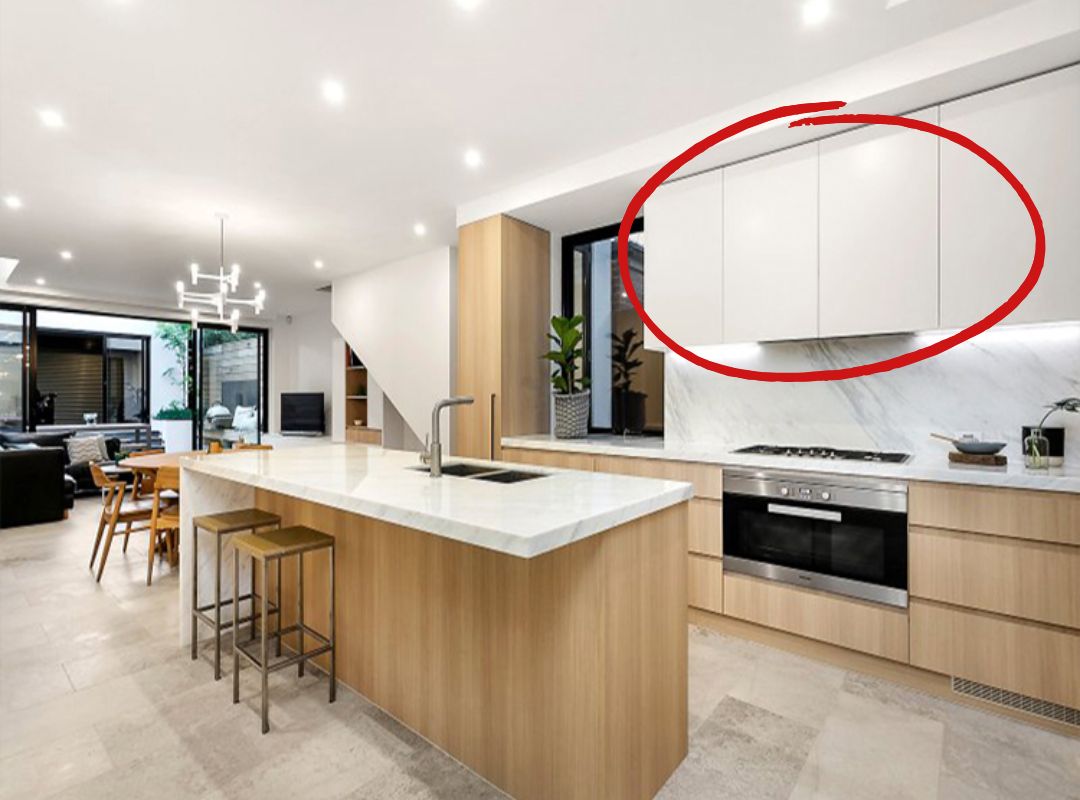
Melamine plywood is widely used in furniture manufacturing, including cabinets, wardrobes, shelving systems, and office furniture. Its ready-to-use surface allows manufacturers to streamline production while maintaining consistent appearance.
In interior fit-out projects, white melamine plywood is especially popular due to its clean look and compatibility with modern design styles. It is commonly used for wall panels, built-in furniture, and storage systems.
Melamine plywood is also used in packaging and light industrial applications where smooth surfaces and moderate structural strength are required, though it is generally intended for interior or controlled environments rather than exterior exposure.
White Melamine Plywood and Market Demand
Among all finishes, white melamine plywood remains the most demanded option in global furniture markets. Its neutral appearance works well across residential, commercial, and office interiors.
From a sourcing perspective, white melamine plywood is easier to standardize in mass production, making it suitable for export-oriented furniture manufacturers seeking consistent quality and appearance across large volumes.
Quality Factors Buyers Should Check
When sourcing melamine plywood, buyers should focus on:
- Core quality and internal void control
- Bonding strength and glue performance
- Thickness accuracy and surface consistency
- Moisture control for export stability
- Compliance documentation for target markets
Ignoring these factors can lead to machining issues, installation problems, or delayed quality claims after delivery.
Compliance, Certification, and Melamine Plywood Price
For international markets, melamine plywood often needs to meet environmental and safety regulations such as FSC certification, CARB Phase 2, EPA TSCA Title VI, and E0/E1 emission standards.
These requirements, along with core material, thickness, surface finish, and production scale, all influence melamine plywood price. Buyers comparing melamine plywood prices should evaluate specifications carefully rather than focusing on cost alone.
Final Thoughts on Choosing Melamine Plywood
Melamine plywood is more than a decorative panel. It is a functional material that combines strength, efficiency, and design flexibility. Compared to melamine board and other panel products, melamine plywood offers superior structural performance and long-term reliability when manufactured and specified correctly.
Understanding how melamine plywood sheets are made, how white melamine plywood is used, and what affects melamine plywood price helps buyers reduce sourcing risk and achieve consistent results in furniture and interior projects.
If you are sourcing melamine plywood, melamine faced plywood, or white melamine plywood sheets for furniture or interior projects, TT Plywood can support you with specification advice, quality verification, and export-ready solutions.
👉 Contact TT Plywood for expert guidance on melamine plywood sheets and pricing.
📧 Email: info@ttplywood.com
📞 Hotline / WhatsApp / Line / Kakao: +84 32 694 2288
Frequently Asked Questions
Is melamine plywood waterproof?
Melamine plywood is moisture resistant on the surface but not designed for prolonged water exposure. It is best used in interior or controlled environments.
Is melamine faced plywood stronger than melamine board?
Yes. Melamine faced plywood generally provides better strength and screw-holding capacity due to its plywood core.
What thicknesses are available for melamine plywood sheets?
Common furniture thicknesses range from 6mm to 25mm, depending on application and supplier capability.
What affects melamine plywood price the most?
Core quality, surface finish, thickness, certification requirements, and order volume are the main price drivers.
Tags :
EXPORT PLYWOOD
Furniture plywood
melamine plywood
PLYWOODVIETNAM
TT PLYWOOD
Vietnamese plywood


