



-
-
-
Total payment:
-




THE ADVANTAGES OF LVL - LAMINATED VENEER LUMBER
Posted by Thanh Uyên at 09/02/2023

As global construction standards evolve, engineered wood products have become central to the shift toward stronger, safer, and more sustainable building solutions. Among these materials, Laminated Veneer Lumber (LVL) stands out as one of the most reliable and high-performance options. With its exceptional strength-to-weight ratio, dimensional stability, and predictable performance, LVL is now widely adopted in Europe, the United States, and other advanced construction markets.
Unlike traditional sawn timber, LVL is engineered through a precise process of peeling, drying, grading, and bonding thin veneers under heat and pressure. This manufacturing method enhances the structural qualities of wood, resulting in a product that outperforms many conventional alternatives in load-bearing applications.
This article examines the major advantages of LVL, why it continues to replace solid wood in critical structures, and how it supports modern construction requirements around the world.
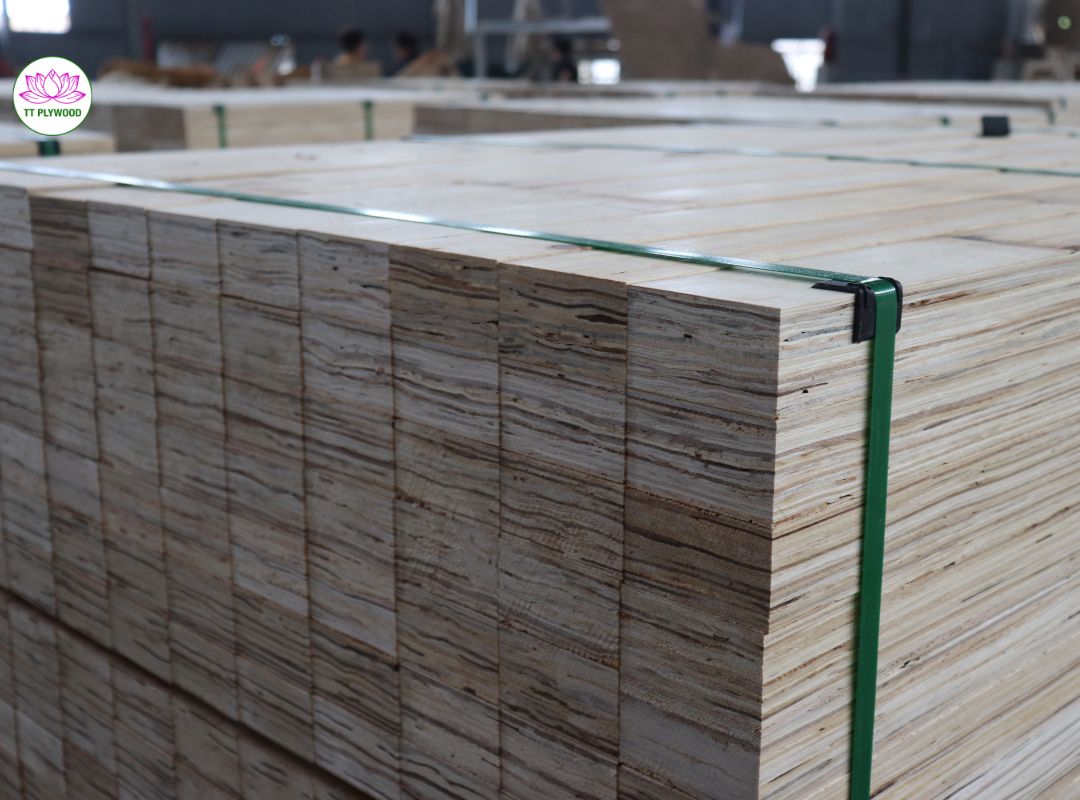
Superior Strength and Load-Bearing Capacity
One of the defining advantages of LVL is its remarkable strength. Because veneers are aligned parallel to the length of the beam, LVL exhibits much higher bending strength and stiffness than comparable sections of traditional lumber. Engineers often select LVL for beams, joists, rafters, and other structural components where predictable performance is essential.
LVL’s strength is not only higher but also more consistent. Natural timber contains knots, grain deviations, and unpredictable density variations. LVL eliminates most of these weaknesses through controlled veneer selection and adhesive bonding. The result is a material capable of carrying heavy loads without sudden failure or structural instability.
Dimensional Stability and Reduced Warping
Traditional wood can twist, bow, cup, or shrink as it adjusts to environmental moisture changes. LVL’s layered construction significantly reduces these issues. Because veneers are bonded in uniform, stable layers, the material maintains its dimensions even under fluctuating temperature and humidity conditions.
This stability is crucial for long-span beams, door and window frames, and precision components like LVL bed slats or furniture structures where small deviations can affect performance. For builders and manufacturers, using LVL reduces installation time, minimizes waste, and prevents costly callbacks due to deformation.
Lightweight Yet High Performance
Despite its strength, LVL remains light and easy to handle. Its high strength-to-weight ratio makes transportation simpler and more cost-efficient, particularly for long structural elements. On-site installation becomes faster, requiring fewer workers and less heavy equipment.
This combination of lightweight design and structural efficiency makes LVL ideal for multi-story construction, prefabricated housing, and modular building systems—areas where precision and speed are essential.
Efficient Use of Raw Material and Sustainability Benefits
LVL production maximizes the use of each log by peeling thin veneers rather than cutting large solid sections. This process reduces waste and increases yield, making LVL one of the most resource-efficient timber products available.
Sustainability-focused markets such as the EU and US value LVL not only for energy efficiency and strength but also for its responsible use of forestry resources. Many LVL manufacturers offer products certified under FSC or PEFC, providing additional assurance for environmentally conscious buyers.
Moreover, LVL stores carbon throughout its lifetime, contributing to lower emissions in comparison with steel or concrete. As governments and private developers prioritize low-carbon materials, LVL plays an increasingly important role in sustainable construction strategies.
Versatility Across Multiple Applications
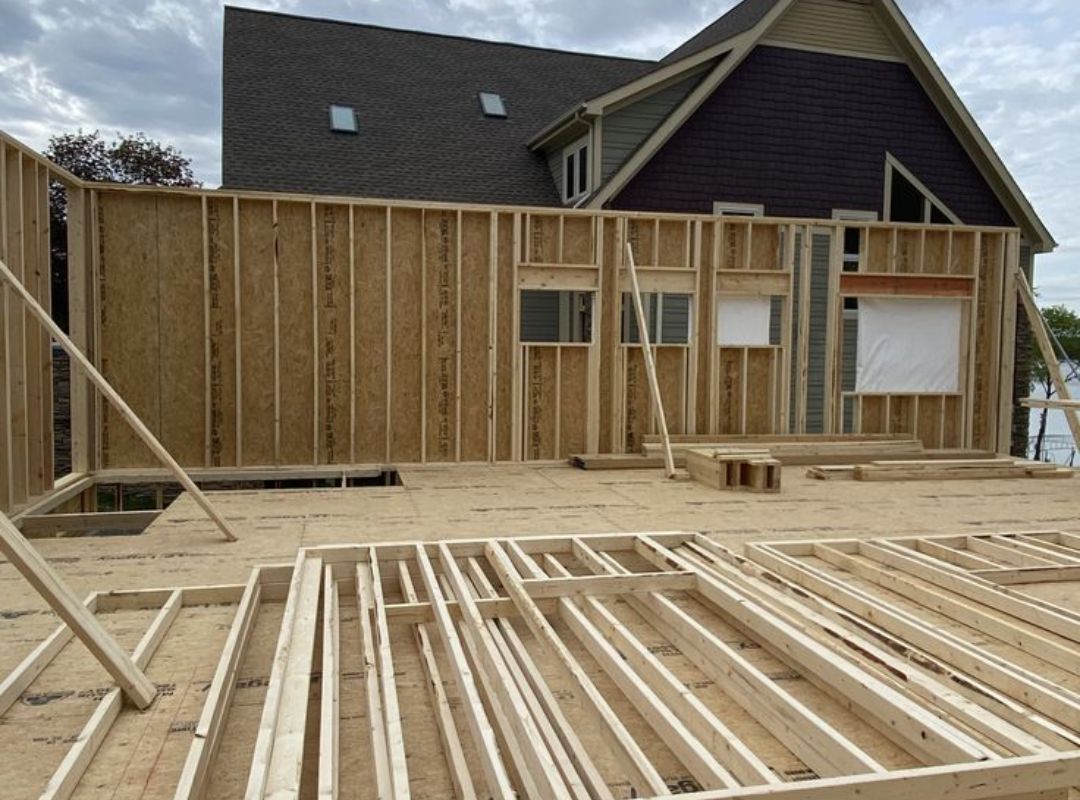
LVL is used in a wide range of structural and non-structural applications, including:
- Structural beams and rafters
- Formwork systems
- Window and door frames
- Flooring and roofing supports
- Industrial packaging
- Furniture components
- Bed slats for premium bedding systems
Its adaptability allows architects and builders to integrate LVL into both residential and commercial projects with confidence.
Predictable Performance and High Manufacturing Precision
Because LVL is manufactured under strict engineering controls, it delivers a level of reliability rarely matched by natural timber. Mechanical properties such as modulus of elasticity, shear strength, bending strength, and compression resistance are thoroughly tested during production.
This predictability is especially important in markets where building codes require certified materials and traceable performance values. LVL satisfies these requirements, offering engineers and inspectors clear data for structural calculations and compliance verification.
Cost Efficiency in the Long Term
Although LVL may have a higher initial cost than some traditional timber options, it often proves more economical over the lifespan of a project. Its durability, reduced risk of deformation, lighter weight and ease of handling significantly lower installation and maintenance costs.
Contractors also benefit from fewer material losses due to defects, and improved structural reliability reduces the likelihood of replacement or repairs. For prefabrication and mass production, LVL’s consistency further enhances efficiency and reduces production downtime.
Growing Adoption in the EU and US Markets
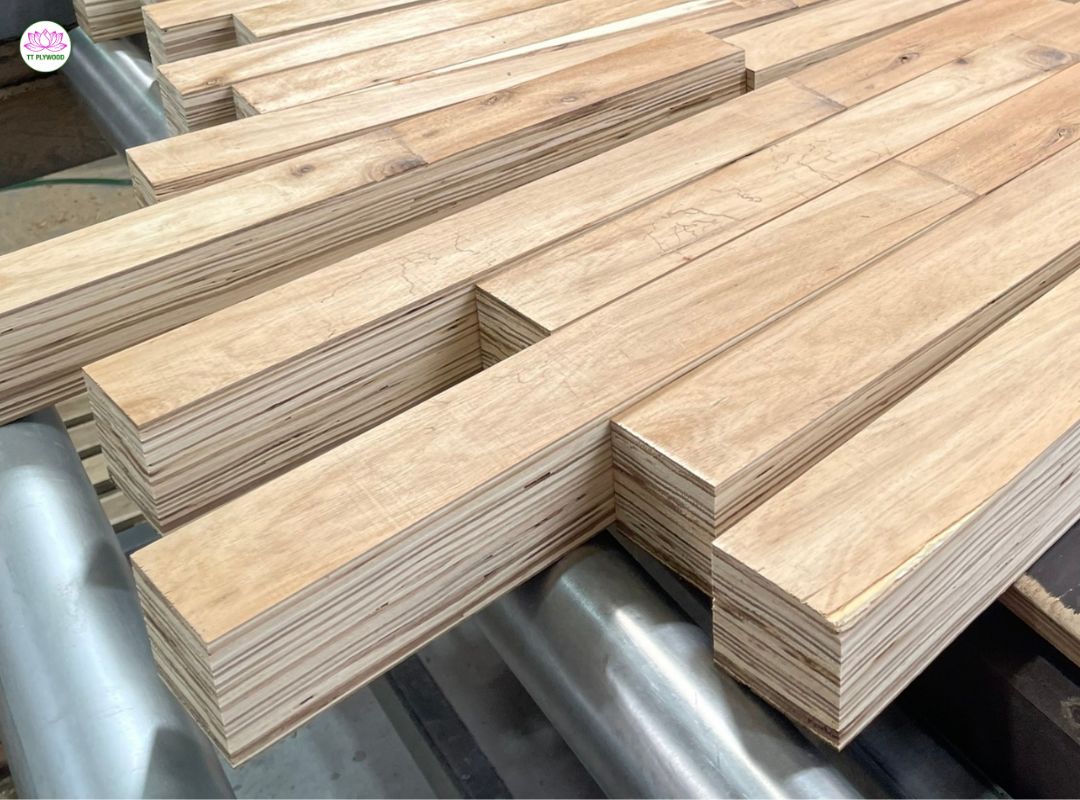
The rise of sustainable building practices, urban densification and off-site construction has strengthened the demand for LVL in Europe and North America. Markets in Germany, Scandinavia and the United States continue to expand their use of engineered wood products as alternatives to steel or concrete.
In addition, LVL aligns with modern regulatory frameworks focused on traceability, emissions reduction and renewable materials. As developers shift toward low-carbon designs and high-performance building envelopes, LVL increasingly becomes the preferred choice for structural and architectural solutions.
For companies seeking reliable supply from Vietnam, TT Plywood offers LVL produced under strict quality control with consistent veneer grading, strong bonding technology and stable dimensional performance.
If your business is searching for a strong, stable and sustainable construction material with verified quality, LVL offers outstanding value. TT Plywood supplies high-grade LVL for structural applications, furniture manufacturing and premium bed-frame production. We provide fast quotations, flexible sizes, consistent quality and export-ready documentation for EU and US markets.
Contact TT Plywood today to request samples, technical data sheets or pricing for your next project.
📞Hotline/WhatsApp/Line/Kakao: +84 32 694 2288
📧Email: info@ttplywood.com
🌐Website: https://ttplywood.com/
FAQ
Is LVL stronger than regular solid timber?
Yes. LVL provides higher and more consistent strength due to parallel veneer alignment and engineered bonding.
Can LVL be used outdoors?
LVL can be used outdoors when properly treated or coated, depending on the specific application and exposure level.
Why is LVL preferred in modular and prefabricated buildings?
Its precision, stability and uniform mechanical properties make it ideal for applications requiring exact dimensions and repeated assembly.
References
European Commission. 2024. Sustainable Construction and Engineered Wood Materials Overview. Brussels: EU Publications.
Forest Stewardship Council. 2023. FSC-Certified Engineered Wood Products: Benefits and Market Adoption. Bonn: FSC International.
APA – The Engineered Wood Association. 2022. Laminated Veneer Lumber: Structural Performance Guide. Washington, D.C.


